
Storey's in the Dirt

Regenerative Farming & Food Sovereignty

Featured Posts
← Back to all series

Health

Food as medicine, natural remedies, and the connection between soil health and human health. These posts dig into nutrition, healing, and what it means to nourish ourselves from the ground up.

27 posts

📍 Start Here

Begin your learning journey with these curated series

Cougar Puberty

3 Posts
All 3 Posts FREE
Updated Jan 19, 2026

Start: Demystifying Menopause Transitions

Start →

Understanding Arthritis

6 Posts
All 6 Posts FREE
Updated Apr 3, 2025

Start: Understanding Arthritis

Start →

Explore Related Topics

Dig deeper into specific areas within Health

All Posts in Series

Understanding Developmental Transitions

A Second Puberty? Reframing the Experience Somewhere in the middle of all this, a question tends to surface—sometimes with curiosity, sometimes with disbelief: *Is this basically puberty… again?* It sounds a little ridiculous at first. We survived adolescence once. Surely this can’t be the same thing. And yet. Hormones are shifting. Bodies are renegotiating how they function. Emotions feel closer to the surface. Energy changes. Identity questions creep in. Tolerance for nonsense drops to near zero. If that sounds familiar, it’s because this *is* a developmental transition—not a breakdown. --- Not Failing—Reorganizing We’re quick to assume that when something feels unfamiliar or uncomfortable, something must be wrong. But what if this isn’t failure? What if it’s reorganization? During this transition, hormonal systems aren’t shutting down—they’re recalibrating. The body is shifting from one long-established rhythm to another. That kind of change is rarely quiet or linear. When viewed through that lens, the symptoms tell a different story. Not *something is broken*, but *something is changing its operating system.* That reframing alone can soften a lot of unnecessary self-blame. --- Identity, Boundaries, and Energy Shifts This phase doesn’t just affect how the body functions—it often reshapes how we move through the world. Many people notice changes in: * What they have energy for * What they no longer want to tolerate * How they relate to work, relationships, and expectations Things that once felt manageable may suddenly feel exhausting. Things that were easy to ignore become impossible to unsee. This can be unsettling—especially if you’ve spent years being capable, adaptable, and reliable. But identity shifts are a hallmark of developmental transitions. Puberty changed how you saw yourself in the world. This can too. Not as a loss of competence—but as a recalibration of priorities. --- Why the “Second Puberty” Metaphor Helps The value of the second puberty metaphor isn’t that it’s perfectly accurate. It’s that it’s *humanizing*. Puberty was awkward. Emotional. Uneven. You didn’t know exactly what was happening, only that things were changing faster than your explanations could keep up. Looking back, we don’t frame puberty as a personal failure. We recognize it as a necessary developmental phase. Extending that same grace here matters. This isn’t about going backward. It’s about moving through another threshold of change—with more life experience, and often, far less patience for pretending everything is fine. --- Making Room for Grief *and* Possibility Reframing this transition doesn’t mean slapping a positive spin on it. There can be real grief here. Grief for versions of yourself that felt easier to inhabit. For bodies that responded differently. For identities that no longer fit the same way. And. There can also be possibility. Clarity. A sharper sense of what matters—and what doesn’t. Both can exist at the same time. Holding that complexity is part of the work of this phase. Not rushing to optimism. Not getting stuck in loss. Allowing the experience to be layered. --- A Different Frame If you take nothing else from this post, take this: You are not unraveling. You are not regressing. And you are not doing this wrong. This is a developmental transition—one that asks for curiosity instead of judgment, and context instead of criticism. Next up: The Seven Phases—A Framework, Not a Box

Stewardship

Navigating Menopause Transition

The Long Middle—Why This Transition Can Feel So Disorienting At some point in this transition, almost everyone asks the same quiet question: *Is it just me?* Am I imagining this? Am I overreacting? Did I miss a chapter where this was explained more clearly? If you’re feeling that way, you’re not behind—and you’re definitely not alone. What makes this phase so disorienting isn’t just the symptoms themselves. It’s the way they arrive. And leave. And then come back again, slightly rearranged. --- Why Symptoms Come and Go One of the most confusing aspects of this transition is the inconsistency. You might have a few rough months followed by a stretch where you feel almost normal again. Just long enough to think, *Oh. Maybe that was it.* Then something shifts. Sleep changes. Your patience evaporates. Your body temperature develops a personality of its own. This isn’t random. It’s fluctuation. During perimenopause especially, hormones don’t decline in a smooth downward slope. They spike, dip, rebound, and misfire. The body is adjusting in real time, and the experience reflects that. So yes—symptoms can improve. They can disappear. They can return later with a new accent. That doesn’t mean you’re back at square one. It means your body is still negotiating. --- Why Nothing Lines Up Neatly There’s a persistent myth that menopause follows a clean, predictable sequence. That you move from one stage to the next, symptoms escalate, then resolve, and everyone gets the same memo. That’s not how this works. Cycles may change before anything else does—or not at all. Emotional shifts can show up long before physical ones. Cognitive changes like brain fog or word-finding issues may appear in isolation, without the symptoms we’ve been taught to expect. When experiences don’t match the stories we’ve heard, it’s easy to assume something is wrong. Often, what’s actually wrong is the story. --- The Overlooked Emotional and Cognitive Pieces Much of the menopause conversation still centers on the body—hot flashes, periods, sleep. Important, yes. But incomplete. This transition also affects how we think, feel, and relate. Mood changes. Anxiety that seems to come out of nowhere. A shorter fuse. A deeper sense of grief—or relief—or both at once. Difficulty concentrating. Forgetting words you’ve used your entire adult life. These experiences can be unsettling, especially when they aren’t named or normalized. They deserve to be part of the conversation. --- Letting Go of the Timeline One of the quiet sources of stress in this phase is the belief that we’re supposed to be somewhere specific by now. Too early. Too late. Still dealing with this? But there is no single timeline. No correct pace. No universal sequence of symptoms. Some people move through quickly. Others take the scenic route. Many don’t realize what phase they were in until they’re already past it. That doesn’t mean you missed something. It means this transition doesn’t operate on a schedule that can be neatly summarized. --- A Different Way to Look at the Long Middle If this feels like the longest, most ambiguous stretch—there’s a reason. This is the middle of a major recalibration. Physically, emotionally, neurologically. It’s uncomfortable precisely because things are changing before they settle. There’s nothing wrong with you for feeling unsteady here. If this post offers any relief, let it be this: This phase can be shocking to the system, and a total blindside.  It's OK. You are not doing it out of order.  And you are not alone in wondering what the hell is going on. Next up: A Second Puberty? Reframing the Experience
Stewardship

Understanding Menopause Phases

Perimenopause, Menopause, Postmenopause—Let’s Get Oriented If you’ve ever tried to understand menopause by casually Googling it, you already know how disorienting that can be. Everything gets lumped under one word—*menopause*—as if it’s a single event with a start date, an end date, and maybe a small set of predictable symptoms in between. No wonder so many of us feel unprepared. We’re using one word to describe a years‑long transition with multiple phases. So before we go any deeper, let’s get oriented. Not with a medical lecture. Not with a quiz. Just enough clarity to help you place yourself on the map and stop wondering if you somehow missed a memo. --- Perimenopause: The Long, Messy Process Perimenopause is not the pre‑party. It’s not a short runway leading up to menopause. It *is* the transition. This phase can begin years—sometimes a decade or more—before menopause itself. Hormones start fluctuating (not declining in a neat, orderly way), and the body begins experimenting. Some systems speed up, others slow down, and some feel like they’ve gone completely off‑script. This is often where people start saying things like: * “I don’t feel like myself.” * “Is this anxiety, or am I just overwhelmed?” * “Why am I so tired when nothing has changed?” Periods may change—or not. Symptoms may be obvious—or subtle. They can come and go, overlap, disappear, and reappear months later wearing a different disguise. Which is why perimenopause gets missed so often. We tend to think menopause comes *first*, when in reality perimenopause is doing most of the heavy lifting. --- Menopause: A Moment, Not the Whole Story Here’s the part that surprises a lot of people: Menopause is not a phase. It’s a moment. Clinically speaking, menopause is defined as twelve consecutive months without a menstrual period. That’s it. One milestone, marked in hindsight. There’s no bell. No certificate. No announcement that says, *Congratulations, you are now menopausal.* Because we use the word menopause to describe everything that comes before and after, it ends up carrying far more weight—and confusion—than it should. We talk about “menopause symptoms” when what we’re often experiencing is perimenopause or postmenopause. Understanding menopause as a moment—not the entire experience—can be surprisingly grounding. It helps untangle what’s happening *now* from what’s already passed. --- Postmenopause: The Ongoing Season Postmenopause begins after that one‑year mark and continues for the rest of your life. This is not an afterthought. And it’s not a flat, symptomless plateau. For some, symptoms ease. For others, new patterns emerge. Hormones settle into a new baseline, which can bring relief, clarity, or a fresh set of adjustments. This phase is often overlooked in conversations about menopause, yet it’s where we spend the most time. Postmenopause is where we live. And how we understand it—and support ourselves through it—matters. --- Why Language Matters When we call everything menopause, we blur important distinctions. We miss early signs. We misunderstand timelines. We tell ourselves we’re “late” or “early” or “behind,” when really, we’re just somewhere in the process. Clear language doesn’t make the experience more complicated—it makes it less confusing. Perimenopause: the transition. Menopause: the marker. Postmenopause: the ongoing phase. You don’t need to diagnose yourself. You don’t need to label your experience perfectly. This is simply about having enough context to stop feeling lost. If this post does nothing more than make you think, *Oh. That explains a few things*, then it’s done its job. But I would encourage to talk to your circle, sister, daughter, mothers, friends, it is so grounding to know that others are experiencing the same thing and it is OK. Sucks some days, it is OK.
Stewardship

Breaking the Silence on Menopause

We All Go Through This—So Why Don't We Talk About It? Here’s the thing that keeps catching me off guard. Menopause is universal. Silence around it is, too. Somewhere between puberty and old age, we all pass through this hormonal funhouse—yet most of us do it quietly, privately, and with just enough information to wonder if we’re losing our minds. Which begs the question: If everyone goes through this… why does it feel like no one talks about it? The Collective Weirdness Menopause tends to arrive like a left hook. You’re fine—until you’re not. One minute you’re living your life, the next your hormones have decided to remix the entire soundtrack. Mood, sleep, focus, libido, patience, body temperature, sense of self. All up for renegotiation. And yet, culturally, we treat this as something you’re supposed to handle. Quietly. Gracefully. Preferably without inconvenience to anyone else. We call it “normal,” but what we really mean is: This happens to everyone, so don’t make a fuss. That distinction matters. Because “normal” shouldn’t mean confusing. It shouldn’t mean isolating. And it definitely shouldn’t mean white-knuckling your way through years of change without language, context, or support. The Generational Gap For many of us, the women who came before didn’t talk about menopause—not because they didn’t want to, but because they didn’t have the words, the permission, or the space. Symptoms were dismissed. Experiences minimized. Advice boiled down to some version of “Yep. That happens.” So we inherited silence instead of stories. And without stories, we’re left piecing things together from half-remembered comments, late-night internet searches, and that moment you realize all your friends are quietly Googling the same things—but no one has said it out loud yet. When "Normal" Becomes a Trap One of the most damaging parts of the silence is how easily normal turns into inevitable. Hot flashes? Normal. Brain fog? Normal. Anxiety, rage, exhaustion, feeling disconnected from your body? Also normal. Which somehow translates into: There’s nothing to understand here. Just endure it. But endurance is not the same as understanding. And when we don’t talk about what’s happening, we miss the chance to recognize patterns, share strategies, or even realize that what we’re experiencing has a name—and a context—and a timeline. The cost of that silence shows up as: Confusion (“Why didn’t anyone warn me?”) Shame (“Why can’t I handle this better?”) Late realizations (“Oh… this started years ago.”) None of that is necessary. Why Talking Matters Menopause isn’t just a collection of physical symptoms. It’s a whole-body, whole-life transition. It affects how we feel, how we relate, how we move through the world, and how we see ourselves in it. Talking about it doesn’t make it heavier. It makes it clearer. It gives us language instead of guesswork. Perspective instead of panic. And sometimes, the simple relief of realizing: Oh. It’s not just me. So no—this isn’t about oversharing or complaining or turning menopause into a personality trait. It’s about acknowledging a shared experience that’s been treated like a private inconvenience for far too long. And about asking, with a raised eyebrow and genuine curiosity: What might change if we stopped pretending this wasn’t happening?
Nutrition

Demystifying Menopause Transitions

Introduction to the Conversations Around Perimenopause, Menopause, and Postmenopause Let's Start Talking About It I didn’t start writing about menopause because I had all the answers. I started researching be in the past 4 monthly I've taken several left hooks from my hormones. So now, I'm writing because I have questions, women I talk with have questions, and because so many of us are quietly carrying them around like we’re the only ones. Perimenopause, menopause, postmenopause. These words tend to land with a thud. Clinical. Heavy. Final. And yet, every single one of us who is lucky enough to age will pass through these seasons. Not as a straight line. Not the same way. Not on the same timeline. And somehow… we barely talk about it. This blog series is my way of pulling up a chair and saying: Hey. Let’s actually talk about this. Not in hushed tones. Not just when something feels “wrong.” And not only in exam rooms with the clock ticking. I want this to be conversational. Curious. Sometimes funny. Sometimes frustrating. Often validating. A place where we can learn the language of what’s happening in our bodies without feeling broken, dramatic, or dismissed. Why This Series Exists If menopause were a one-day event—hot flash, party, done—we might have figured this out by now. But it’s not. It’s a long, winding transition with multiple phases, shifting hormones, changing identities, and a whole lot of “Is this normal?” What I’ve learned—through research, writing, conversations, and lived experience—is this: We don’t get a roadmap We don’t get a shared vocabulary And we’re often taught to endure rather than understand This series exists to change that. Not to tell you what your experience should be—but to help me recognize what might be happening, why it’s happening, and how to work with it instead of against it. It is my hope that you will also gain something this work as well. Reframing the Transition One of the ideas I keep coming back to is this: What if this phase of life isn’t an ending—but a kind of second puberty? Hormones shift. Emotions recalibrate. Desires change. Our tolerance for nonsense drops dramatically. Our bodies ask for different care. Our priorities get louder. Sound familiar? Seeing this transition as a process—rather than a problem—opens up room for curiosity, strategy, and even (dare I say) possibility. That’s why, throughout this series, I’ll be using a seven-phase framework to talk about menopause. Not because it’s rigid or universal, but because it gives us landmarks. A way to say, Oh. That’s where I am. Or, That’s where I’ve been. We’ll unpack those phases together—slowly, practically, and without jargon overload. What We'll Talk About Here This is the groundwork. From here, we’ll dig into: What perimenopause actually is (and why it can feel like everything at once) The emotional and cognitive shifts no one warned us about Libido, energy, sleep, rage, grief, relief—yes, all of it Menopause as a moment vs. postmenopause as a season How culture, silence, and medicine shape our experience Ways to reframe, support, and navigate—not “fix”—this transition Some posts will be research-heavy. Some will be reflective. Some will feel like notes passed between friends. All of them will be grounded in the belief that knowledge is power—but conversation is relief. An Invitation You don’t need to know where you are in this process to be here. You don’t need symptoms that “count.” You don’t need to be struggling—or thriving. If you’re curious, confused, irritated, relieved, or just wondering why your body feels like it changed the rules overnight… you belong in this conversation. This is the beginning.
Nutrition

The Science Behind

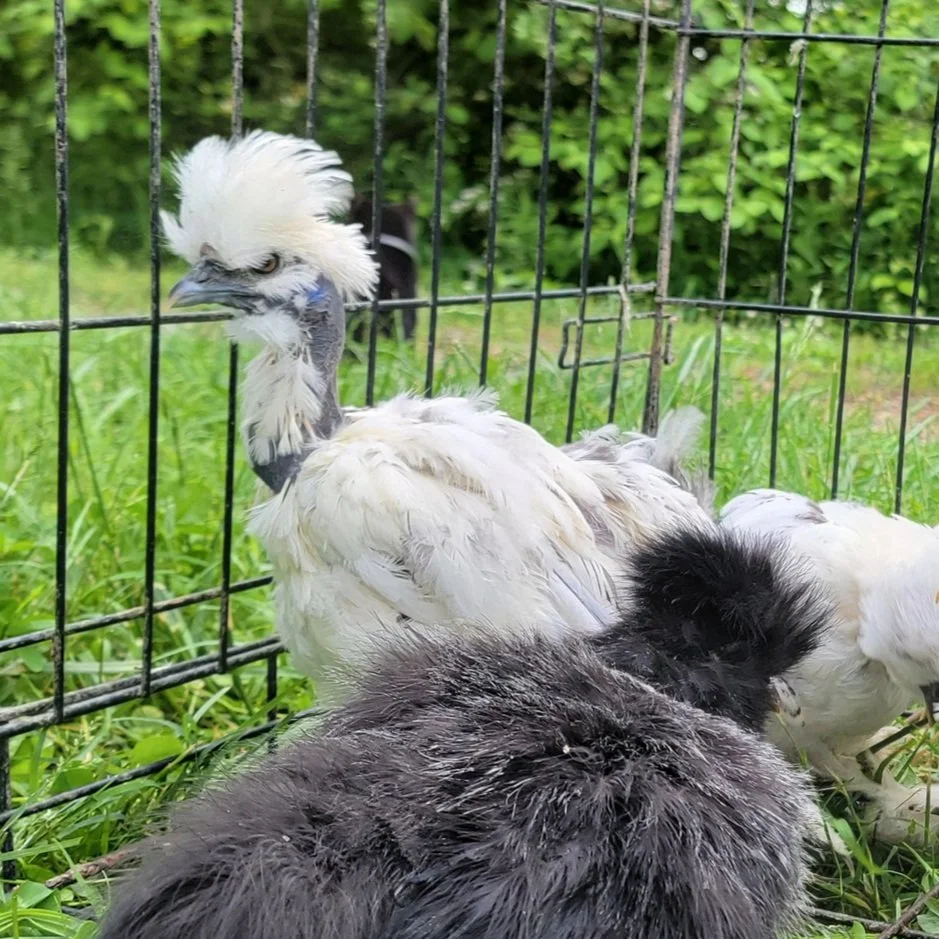
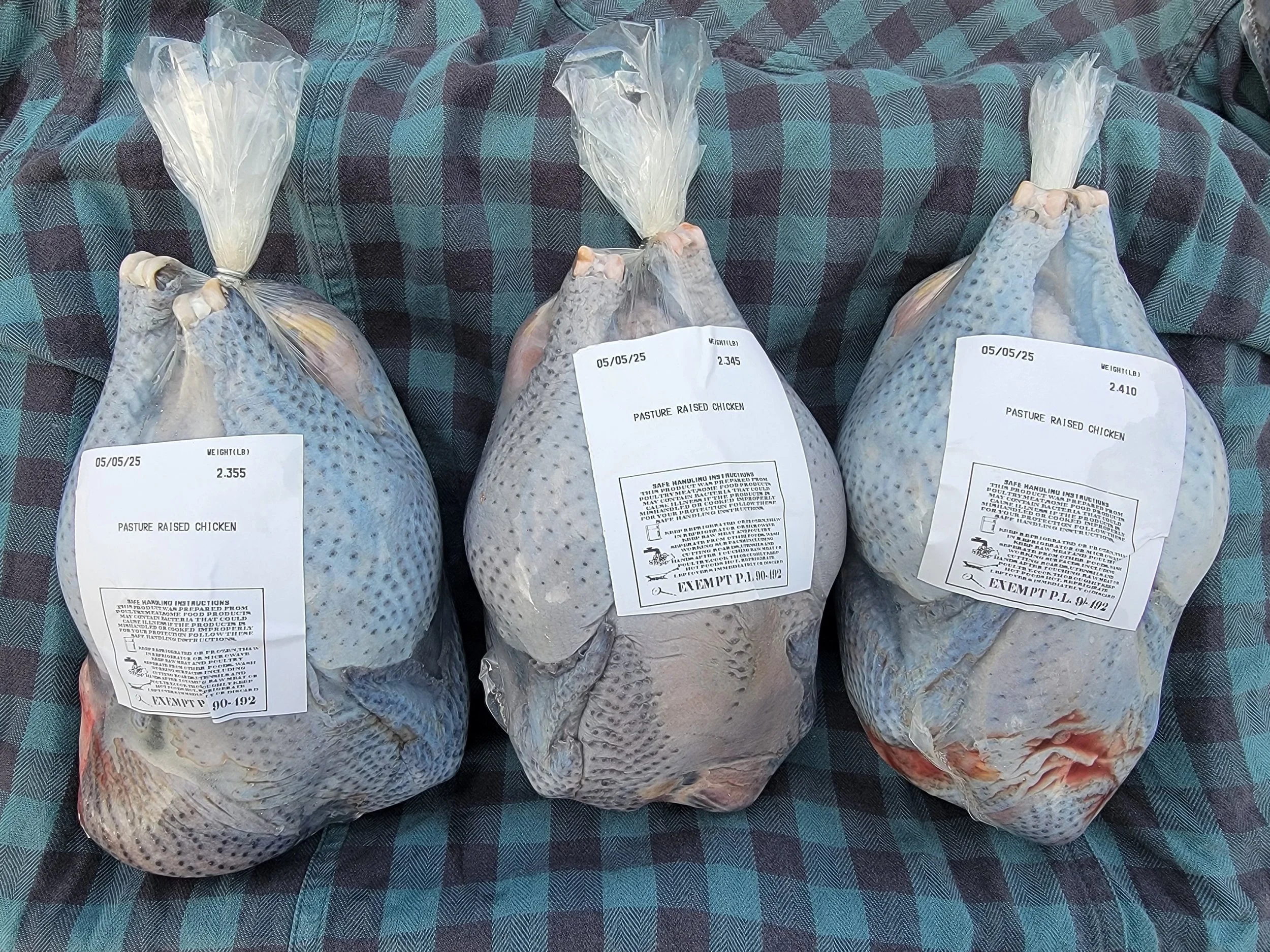
the Silkie’s Immune Superpowers Silkies aren’t just beautiful—they’re biologically fascinating. Their fluffy feathers and black skin are the outward signs of a condition called _fibromelanosis_, which causes pigment to appear not just in the skin, but in their organs, muscles, and bones. That pigment is more than just decoration—it’s deeply tied to their immune system. What Makes Their Immune System So Unique? Most chickens develop strong immune systems in their first few weeks of life. But Silkies develop on a slightly different timeline. Silkies under 10 weeks old are more vulnerable to illness because their immune systems are still developing. This delay is related to the effects of hyperpigmentation, which alters the way certain immune organs—like the spleen and bursa of Fabricius—form and function. But here’s the twist: after that initial period, Silkies go on to develop some powerful immune advantages. Pigment That Protects Silkies produce a type of pigment called eumelanin, which also acts as an antioxidant. This pigment accumulates in areas of damage or infection and may help the body respond more effectively to threats. In this way, the pigment becomes part of the immune response. They also have higher levels of certain white blood cells like B-lymphocytes and monocytes, which help the body recognize and respond to infections. Their internal organs retain immune functionality longer than typical chickens because of their slower aging process. Why This Matters to You While we’re still learning how these traits affect the nutritional benefits of eating Silkie chickens, one thing is clear: their meat and organs are shaped by a different biological story. The same compounds that give them their dark color may also help support immune resilience, reduce inflammation, and enhance recovery when consumed—especially in the form of bone broths or organ-rich meals. Silkies represent a rare overlap of beauty, tradition, and function—and science is only beginning to catch up with what traditional cultures have known all along.
Livestock Management

Silkie vs. Supermarket Chicken

A Nutrient Showdown When most people think of chicken, they picture the standard cuts wrapped in plastic at the grocery store. But not all chickens are built the same. In fact, Silkie chickens—known for their black skin, bones, and unique immune system—offer a very different nutritional profile than the typical supermarket broiler. A Quick Look at Nutrient Differences Nutrient / Compound Silkie Chicken Commercial Chicken Carnosine & Anserine High (muscle recovery, brain health) Moderate Iron High (better for energy and blood health) Lower Zinc High (immune support, metabolism) Lower Fat Content Low (lean meat, less saturated fat) Higher, especially in skin-on cuts Protein High (supports muscle growth and repair) High Antioxidants (Eumelanin) Present (pigment-related) Negligible Collagen (skin & bones) Rich (great for gut, joints) Available but less emphasized What Do These Nutrients Do for You? * Carnosine & Anserine: These are natural compounds found in meat that help your muscles recover faster and may protect brain function. Athletes and older adults benefit the most from them. * Iron: Crucial for making red blood cells. A lack of iron can lead to fatigue and poor focus. * Zinc: Helps your immune system function and supports hormone health. * Collagen: Supports gut health, skin elasticity, and joint strength. Found in the connective tissues and skin of the bird. Not Just a Different Bird—A Different Experience Silkie chickens not only offer lean, nutritious meat, but also provide benefits that align with modern health priorities: high protein, low fat, and functional nutrients for inflammation, brain health, and immunity. And while the typical grocery-store chicken is bred for fast growth and high yield, Silkies grow more slowly, which may contribute to their richer flavor and denser nutritional profile. In the next post, we’ll explore the science behind Silkies’ immune systems and how their unusual pigmentation plays a role in human nutrition too.
Livestock Management

Can Food Be Medicine?

The Case for Eating Silkie Chicken\\ We live in a time where many are rethinking their relationship with food—not just as fuel, but as a powerful tool for healing. So where does Silkie chicken fit into this philosophy? As it turns out, this unusual bird has been part of healing kitchens for centuries. The Traditional Medicine Connection In Traditional Chinese Medicine (TCM), Silkie chicken—often called _wu gu ji_, or black-boned chicken—has long been used as a tonic food. Recipes often include herbs like goji berries, ginger, or ginseng to create broths believed to support: * Postpartum recovery * Immune function * Kidney and liver health * Fertility and hormonal balance Even without the herbs, Silkie meat itself is considered “warming” and restorative. Functional Nutrition for Modern Times What traditional medicine observed, modern science is beginning to explain: * High levels of carnosine and anserine (helpful for inflammation and neurological health) * Natural collagen and gelatin (supporting gut lining and joints) * Bioavailable iron and zinc (supporting energy, hormones, and immune resilience) * Lean, clean protein (easier to digest and less inflammatory for many people) Whether you're recovering from an illness, supporting your hormonal system, or simply trying to eat cleaner, Silkie chicken offers concentrated nourishment in a small, easy-to-prepare package. How to Use Silkie Chicken in a Healing Kitchen * Slow-cooked bone broth: Extract collagen, minerals, and immune-supportive compounds * Traditional tonic soups: Combine with herbs for layered healing benefits * Organ meats: Include the liver, heart, and other organs for deeper nourishment * One-pot recovery meals: Easy to digest and rich in supportive compounds Silkies may not look like your average chicken, but that’s precisely the point. Their differences are what make them such a valuable addition to healing traditions—old and new.
Food as Medicine

Getting to the Root

Magnesium, Hydration, and Why Your Stack Might Be Working Against You\\ There’s something unsettling about knowing your body is off—and not knowing where the disconnect is. I drink water. I eat well. I take supplements that people swear by. But lately? I’ve felt off: cramps, fatigue, chest tightness, and a creeping sense of dehydration despite no real thirst. If that sounds familiar, keep reading. * * * Stacking Isn’t the Same as Supporting It’s easy to assume that if you’re taking “the right supplements,” you’ve got the bases covered. I thought so too. But the deeper I looked, the more I realized: my stack was stacked _against_ me. High doses of B-vitamins. Multiple forms of magnesium—most of them low-absorption or flush-through types. Nootropics that lit up my brain but drained my minerals. I wasn’t supporting my body. I was stimulating it. And underneath it all? A core magnesium deficiency. One that was _masked_ by smart marketing, clean labels, and synthetic formulations that couldn’t fully land where my body needed them. * * * Magnesium is Not One Size Fits All Here’s what I learned: magnesium isn’t just magnesium. It comes in forms—each with a purpose. * Magnesium Malate feeds your cells and supports energy. * Glycinate soothes the nervous system and helps you sleep. * Taurate works with your heart and blood vessels. * Threonate? That one crosses the blood-brain barrier and helps lift brain fog. And most supplements don’t tell you how much you _actually_ need—or how your body might be burning through it faster than you think. * * * The Problem With “Clean” Supplements Even the good ones can work against you if the balance is off. Nootropics, for example, can fire up your cognitive function but leave your nervous system depleted. And if you’re not absorbing protein properly—especially if your gut is taxed or your meals are rushed—amino acids may not be reaching your tissues at all. Enter Perfect Amino—a supplement I’m testing now that’s 99% bioavailable. Pure amino acids, without the digestive burden. And you’d be surprised how much difference it makes in how your muscles, brain, and immune system hold up. * * * Baja Gold vs. Real Salt: Why I Made the Switch I’ve used Redmond Real Salt for years—and it’s solid. But Baja Gold caught my attention for one reason: it has _three times_ the mineral density. That means more magnesium, potassium, boron, and trace elements—all things that help your cells _actually absorb_ the water you drink. Now, I still use Redmond in cooking. But I use Baja Gold as a functional mineral tool—a pinch in water, a splash of lemon, maybe a touch of honey. It’s not a cure-all, but it’s a quiet shift I can feel. * * * Putting It All Together (and Slowing It All Down) I’m not saying supplements don’t work. I’m saying they need to work _with_ your body, not in spite of it. Here’s what I’m doing now: * A real magnesium stack, with forms that _match their purpose_ * A pinch of mineral salt in water every morning, before the coffee * Supportive aminos to help my body build and repair, not just survive * And slowly, reintroducing the other tools I already have—one by one—so I can actually track what helps, and what just adds noise * * * This isn’t about hacking your health. It’s about paying attention. About staying rooted in how your body responds—not how the label reads. If you’ve been feeling “off,” maybe you’re not crazy. Maybe your stack needs to take a backseat to something simpler, deeper, and more natural. I’m working on it too.
Herbal Medicine

Carnivore vs. AIP, Keto, and Mediterranean

Which Diet Best Fights Inflammation? When it comes to managing inflammation—especially for those living with arthritis and autoimmune conditions—diet can be a game changer. While mainstream advice often points toward plant-rich anti-inflammatory diets like Mediterranean or AIP (Autoimmune Protocol), there’s a growing interest in the all-meat Carnivore Diet. But how do these approaches really compare? Let’s break them down. * * * The Carnivore Diet: All Meat, No Plants Overview: This diet consists entirely of animal products—meat, fish, eggs, and sometimes dairy. Zero carbs. No fiber. No plants. Why it’s gaining traction: Many anecdotal and some emerging clinical reports suggest that eliminating plant foods—especially those containing oxalates, lectins, and other naturally occurring plant toxins—can calm the immune system and reduce inflammation dramatically. Anti-Inflammatory Potential: * Eliminates nearly all known food allergens and irritants (gluten, dairy for some, lectins, oxalates, nightshades). * Often leads to reduced joint pain, especially in people with autoimmune arthritis. * High levels of bioavailable nutrients like B12, zinc, and omega-3s may aid in tissue repair. Challenges: * Very restrictive. * Potential micronutrient imbalances if not carefully planned. * Long-term data is still limited. * * * AIP (Autoimmune Protocol): The Elimination Champion Overview: An aggressive elimination diet that removes grains, legumes, dairy, eggs, nightshades, nuts, seeds, and processed foods. Gradually, foods are reintroduced to identify triggers. Why it’s respected: Designed specifically for autoimmune conditions, AIP addresses both gut health and immune overactivation. Anti-Inflammatory Potential: * Removes common food triggers linked to flares. * Emphasizes nutrient density and gut healing (bone broths, fermented foods). * Often paired with lifestyle practices like stress reduction and sleep support. Challenges: * Can feel overwhelming and difficult to maintain. * Reintroductions can be time-consuming and emotional. * * * Keto Diet: Low-Carb, High-Fat Overview: Typically high in fats, moderate in protein, and very low in carbohydrates. The goal is to enter ketosis, where the body burns fat for energy. Why it’s popular: Keto has been widely studied for its anti-inflammatory and neuroprotective effects. It’s also used therapeutically for conditions like epilepsy, metabolic syndrome, and PCOS. Anti-Inflammatory Potential: * Reduces blood sugar and insulin spikes, both of which are inflammation triggers. * Ketones themselves may have anti-inflammatory properties. * Helps with weight loss, which eases joint stress. Challenges: * Not ideal for those sensitive to high-fat intake or with liver/gallbladder issues. * Quality of fats matters—a dirty keto diet can be inflammatory. * * * Mediterranean Diet: The Classic Anti-Inflammatory Diet Overview: Rich in vegetables, fruits, whole grains, fish, olive oil, and moderate amounts of dairy and wine. Often touted by doctors and dietitians. Why it’s loved: It’s flexible, sustainable, and supported by decades of research on cardiovascular and metabolic health. Anti-Inflammatory Potential: * High in antioxidants, fiber, and omega-3s. * Low in processed foods and refined sugars. * Supports gut and heart health. Challenges: * May not be effective enough for severe autoimmune conditions. * Contains many common allergens and sensitivities (gluten, legumes, nightshades). * * * So... Which One Wins? There’s no one-size-fits-all answer. Here’s a rough cheat sheet: Diet Best For Watch Out For Carnivore Severe inflammation, elimination reset Sustainability, nutrient gaps AIP Autoimmune flares, gut healing Complexity, social difficulty Keto Metabolic issues, insulin resistance Poor fat quality, restrictive to some Mediterranean General inflammation, long-term health Not tailored for autoimmune issues * * * Final Thoughts Your body's response is the ultimate guide. Some people with arthritis find complete relief going Carnivore, while others swear by AIP or Keto. Mediterranean might be the easiest to maintain long-term, but not always strong enough for chronic autoimmune conditions. If you’re struggling with pain or inflammation, don’t be afraid to try, test, and pivot. Food is information—and your body’s response will tell you what it needs.
Nutrition

Hydration, Kidney Health, and a Pinch of Sea Salt

A Simple Morning Ritual Sometimes, the simplest remedies are the most powerful. Recently, someone asked, “Will a pinch of sea salt in water facilitate hydration, especially in dealing with kidney function?” The short answer: Yes, it can—_if used wisely_. Adding a small pinch of high-quality sea salt (like unrefined sea salt or Himalayan pink salt) to your water helps the body retain fluid, balance electrolytes, and support kidney function, especially in times of inflammation or stress. Here’s why this works: * Electrolyte Balance: Sea salt contains trace minerals like magnesium, potassium, and calcium, which are key for maintaining cellular hydration. * Water Retention (the good kind): Sodium helps the body keep water inside cells and the bloodstream, preventing rapid loss through urination—this is crucial for kidney filtration, especially when blood volume is low. * Kidney Support: In cases like mild dehydration, early stages of gout, or sluggish filtration, this small hydration trick can ease the burden on the kidneys. But like all good things—moderation matters. If you're already on a high-sodium diet, or if you’re managing hypertension or diagnosed kidney disease, talk to your healthcare provider before adjusting sodium intake. * * * DIY Hydration Booster: Sole Morning Tonic This “hydration kickstarter” is sometimes referred to as _sole water_—a mineral-rich morning drink traditionally used to wake up the digestive and lymphatic systems. Ingredients: * 8–16 oz filtered water (room temperature) * 1 small pinch (⅛ tsp or less) unrefined sea salt or Himalayan salt * Juice of ¼ lemon or a splash of raw apple cider vinegar (optional) * 1 tsp raw honey (optional, for flavor and added enzymes) Instructions: 1. Add the salt to your water, stir until dissolved. 2. Add lemon or vinegar if using. 3. Optional: add honey and stir until blended. 4. Sip slowly in the morning on an empty stomach. This gentle blend supports: * Morning hydration * Kidney filtration * Electrolyte balance * Mild detoxification and digestive wake-up * * * For Arthritis, Gout, and Inflammation Ingredients like _Urtica urens (nettle)_, _Apium graveolens (celery seed)_, _Scutellaria baicalensis_, and _Angelica sinensis_ were shown to improve kidney perfusion, uric acid elimination, and inflammation​ARTHRITIS RESEARCH. You can complement this hydration drink with supportive herbs in teas or tinctures for added anti-inflammatory support. Disclaimer: The information provided in this article is for educational and informational purposes only and is not intended as medical advice. I am not a licensed medical professional, and the content shared here reflects my personal research, learning, and opinions. Always consult a qualified healthcare provider before beginning any new health regimen, especially if you have existing medical conditions or are taking medications. Herbal remedies and natural approaches can be powerful tools, but they are not one-size-fits-all. Use discernment, do your own research, and seek professional guidance as needed. I am not liable for any outcomes resulting from the use or misuse of information provided.
Herbal Medicine

Getting Enough Vitamin C on a Carnivore Diet

What You Need to Know For anyone exploring or already committed to a carnivore diet, one common concern that often surfaces is: _What about vitamin C?_ This essential nutrient is typically associated with fruits and vegetables, which are excluded in a strict carnivore protocol. But does that mean you're destined for deficiency? Let's walk through the science and the practicalities together. Why Vitamin C Matters Vitamin C, or ascorbic acid, plays a critical role in collagen synthesis, iron absorption, immune function, and protection against oxidative stress. A deficiency can lead to scurvy, a condition characterized by fatigue, joint pain, gum disease, and impaired wound healing. In other words, it's not a nutrient to overlook. How Carnivores Get Vitamin C Contrary to popular belief, animal-based foods _do_ contain vitamin C—some more than others. Here are a few examples: * Beef Spleen: Approximately 45.5 mg per 100g * Pork Liver: Around 25.3 mg per 100g * Chicken Liver: About 17.9 mg per 100g * Fish Roe: Roughly 16 mg per 100g * Clams and Oysters: 4.7 to 13 mg per 100g * Grass-fed Beef (Muscle Meat): Around 2.5 mg per 100g, with higher values in fresh or raw cuts Cooking can degrade vitamin C, so incorporating some raw or lightly cooked organ meats may help preserve nutrient density. If you choose to include these foods in your routine, you may be getting more vitamin C than you realize. Do You Really Need As Much Vitamin C on Carnivore? Interestingly, the body’s requirement for vitamin C may be influenced by your overall carbohydrate intake. Vitamin C and glucose compete for the same cellular transport pathways. On a low-carb or zero-carb diet, less glucose is circulating, which can enhance the uptake and efficiency of vitamin C in the body. Studies and anecdotal reports from long-term carnivore diet followers suggest that symptoms of deficiency are rare when nose-to-tail eating is practiced. That means including a variety of meats, particularly organ meats, rather than relying solely on muscle cuts. Encouragement for the Journey If you're following a carnivore diet for healing, clarity, or simplicity, it's okay to ask questions like these. You don't need to fear nutrient deficiencies if you approach this way of eating with mindfulness and intention. Including organ meats, seafood, and other nutrient-dense animal foods can provide the nutrients you need—vitamin C included. Listen to your body, stay curious, and don’t be afraid to experiment with what works best for you. As always, it’s wise to check in with a healthcare professional, especially if you're navigating health challenges or transitions. * * * Sources: * https://www.theprimal.com/blog/how-to-get-vitamin-c-on-a-carnivore-diet * https://www.doctorkiltz.com/vitamin-c-on-carnivore-diet Disclaimer: The information provided in this article is for educational and informational purposes only and is not intended as medical advice. I am not a licensed medical professional, and the content shared here reflects my personal research, learning, and opinions. Always consult a qualified healthcare provider before beginning any new health regimen, especially if you have existing medical conditions or are taking medications. Herbal remedies and natural approaches can be powerful tools, but they are not one-size-fits-all. Use discernment, do your own research, and seek professional guidance as needed. I am not liable for any outcomes resulting from the use or misuse of information provided.
Nutrition

Raw Dairy and Arthritis

Gut Health, Inflammation, and What the Science Says For those navigating the complexities of arthritis, from rheumatoid to osteoarthritis and autoimmune-related joint pain, the question of what to eat is never simple. Diet can be both a comfort and a culprit. Among the many food choices under scrutiny is dairy—and more specifically, raw (unpasteurized) dairy. Some believe it holds healing potential. Others warn of its risks. So what's the truth? Let’s walk through the current research with a clear, calm lens. No hype. No fear. Just evidence and encouragement. * * * Understanding Raw Dairy: What's In It? Raw milk is milk that has not been pasteurized, meaning it hasn’t been heat-treated to kill potentially harmful bacteria. It contains naturally occurring enzymes, beneficial bacteria (probiotics), and bioavailable vitamins that some argue can support gut health. Unlike conventional milk, raw milk is often praised by its proponents for: * Rich probiotic content * Presence of digestive enzymes like lactase * Intact immunoglobulins and antibodies * A broader profile of microflora These features appear to make raw dairy easier to digest and more beneficial to the immune system—particularly the gut-associated immune system. * * * Gut Health and Inflammation: The Link to Arthritis It’s well established that gut health and inflammation are deeply intertwined. The gut microbiome helps regulate immune function and inflammation throughout the body. When gut health deteriorates, it can trigger systemic inflammation, which is a known contributor to both rheumatoid and osteoarthritis. In this light, improving gut health becomes a key strategy in managing arthritis. This is where raw dairy enters the conversation. Some small studies and anecdotal reports suggest that the probiotics and enzymes in raw dairy may help strengthen the gut lining and reduce inflammatory responses. One pilot study even found that a whey protein concentrate containing natural antibodies could potentially reduce symptoms in patients with rheumatoid arthritis (Nutrition Journal, 2011). However, these results are early-stage and not widely replicated in large clinical trials. * * * The Risks: What Needs Careful Consideration The potential benefits of raw dairy must be weighed against the very real risks. Unpasteurized milk can carry bacteria such as _Salmonella_, _E. coli_, and _Listeria_, which pose particular danger to people with compromised immune systems—a group that includes many arthritis sufferers. One study from the University of Central Florida even found that a specific bacteria linked to raw milk, _Mycobacterium avium_ subspecies _paratuberculosis_ (MAP), may play a role in triggering rheumatoid arthritis in genetically susceptible individuals (UCF, 2022). In other words, the source and safety of raw dairy matter. * * * What the Broader Research Says A 2017 review of 52 clinical studies concluded that dairy in general tends to have anti-inflammatory effects, especially in those who are not allergic to it (Arthritis Foundation). This includes fermented dairy like yogurt and kefir, which can be excellent alternatives for those hesitant about raw milk. The key takeaway? It's not just about raw vs. pasteurized. It’s about the whole context: the source of the dairy, how your body responds to it, and your personal health landscape. * * * Encouragement for the Journey If you’re considering raw dairy as part of your arthritis management plan, talk with your healthcare provider. Ideally, consult with a functional medicine practitioner or nutritionist who understands both the science and the nuance of food as medicine. You deserve options that are both safe and supportive. It may be that raw dairy has something to offer you—or it may be that fermented or plant-based alternatives are a better fit. Either way, you are not without choices. Our bodies are always speaking. We just have to listen with care, curiosity, and courage. Disclaimer: The information provided in this article is for educational and informational purposes only and is not intended as medical advice. I am not a licensed medical professional, and the content shared here reflects my personal research, learning, and opinions. Always consult a qualified healthcare provider before beginning any new health regimen, especially if you have existing medical conditions or are taking medications. Herbal remedies and natural approaches can be powerful tools, but they are not one-size-fits-all. Use discernment, do your own research, and seek professional guidance as needed. I am not liable for any outcomes resulting from the use or misuse of information provided.
Nutrition

Exploring the Carnivore Diet for Rheumatoid Arthritis

A Research-Based Overview Rheumatoid Arthritis (RA) is an autoimmune condition marked by chronic inflammation of the joints, often accompanied by fatigue, pain, and reduced mobility. For many, traditional medications are necessary and life-saving—but others seek additional support or alternative strategies to manage their symptoms. One approach gaining traction is the carnivore diet, which emphasizes the elimination of all plant-based foods in favor of animal products exclusively. But what does the research actually say? This article aims to provide a gentle but informative look at clinical studies, emerging science, and patient-reported outcomes related to RA and the carnivore diet. Our goal is to empower readers with knowledge, not prescriptions—encouraging thoughtful, evidence-based decisions about health and healing. * * * Understanding the Carnivore Diet The carnivore diet is a restrictive dietary protocol consisting exclusively of animal-based foods—typically meats, organ meats, eggs, and animal fats. It excludes vegetables, fruits, grains, legumes, nuts, and all plant oils. Some proponents view it as an extreme form of a low-carb or ketogenic diet, emphasizing simplicity, nutrient density, and the elimination of potential dietary triggers such as oxalates, lectins, and fiber. * * * Clinical Research and Case Reports: What Do We Know So Far? Clinical research specifically focused on the carnivore diet and RA is limited but growing. Below is a summary of key findings from available studies, case reports, and observational surveys: Shanahan, C. (2020) – Physician Observations on Carnivore Patients * While not a peer-reviewed study, Dr. Cate Shanahan, MD, has documented multiple case observations of patients with autoimmune diseases, including RA, showing symptom remission on a carnivore diet. * Though anecdotal, her medical background lends weight to these reports, highlighting a need for further trials. * Podcast source: The Fatburn Fix – with Dr. Catherine Shanahan, EP 104 Peterson, S. J. et al. (2021) – Survey of Carnivore Diet Users * This study was originally published in _Current Developments in Nutrition_ but the original link appears to be inactive. * The survey included over 2,000 carnivore diet users, 214 of whom had autoimmune conditions including RA. * Among those with autoimmune diagnoses, 89% reported improvement in symptoms; 56% reported complete remission. * While this data is now primarily cited secondhand, a summary and discussion of the study is available through this article: News-Medical.net – The Carnivore Diet: Healthy Trend or Risky Fad? Lennerz, B. et al. (2021) – Medical Outcomes of the Carnivore Diet * Source: _Current Developments in Nutrition_, Volume 5, Issue 2, February 2021 * This study assessed health status, diet adherence, and symptom changes in 2,029 people following a carnivore diet for six months or more. * Improvements included reduced inflammation, joint pain, and fatigue. * Authors called for controlled clinical trials. * Link: https://pmc.ncbi.nlm.nih.gov/articles/PMC8684475/ Mikhaila Peterson’s Case (2018 – ongoing) * Mikhaila Peterson, a well-known advocate, claims to have placed her severe RA in full remission through a strict carnivore diet. * Her case has not been clinically verified, but it has attracted considerable public interest. * Her story is often cited in broader discussions of diet and autoimmune disease. * Interview reference: Joe Rogan - Carnivore Diet Fixed Mikhaila Peterson's Arthritis This is a very compelling and heartbreaking story. * * * What About the Risks? Most clinicians agree that long-term data is lacking. Concerns include: * Nutrient deficiencies (e.g., Vitamin C, fiber, magnesium) * Gut microbiome diversity loss * Potential impacts on cardiovascular health (though contested) * Unknown effects on kidney function in predisposed individuals However, some proponents argue that many nutrient concerns are overestimated if the diet includes organ meats and bone broths. * * * Closing Thoughts While the carnivore diet shows promise for some individuals with RA, it remains an experimental approach. The available research is encouraging but far from conclusive. If you’re considering dietary changes for autoimmune conditions, it’s best to consult with a knowledgeable healthcare provider, ideally one open to both conventional and integrative therapies. In the meantime, we’ll continue exploring related topics—next up: comparing the carnivore diet to other anti-inflammatory protocols like AIP, keto, and Mediterranean diets. Stay curious, stay kind to your body, and remember: your healing path is uniquely yours. Disclaimer: The information provided in this article is intended for educational and informational purposes only. It is based on my personal experiences, research, and ongoing learning. I am not a licensed medical professional, and nothing shared here should be considered medical advice, diagnosis, or treatment. Everyone’s body, health history, and needs are different—what works for one person may not work for another. Always consult with a qualified healthcare provider before making decisions related to your health, especially regarding any conditions, treatments, or changes in diet or supplement use. I do not accept liability for any harm or injury that may result from the use or misuse of the information shared.
Nutrition

Let’s Talk About Reactive / Post-Infectious Arthritis

Reactive Arthritis (Reiter’s Syndrome) What Is It, Really? Reactive Arthritis is one of those frustrating conditions that can catch you off guard. It usually shows up after your body’s dealt with an infection—often something like food poisoning or a urinary tract infection. You think it’s over, but then your immune system keeps fighting and ends up targeting your joints and other parts of your body instead. What to Watch For: * Achy joints (especially knees, ankles, or feet) * Red, irritated eyes * Painful or frequent urination * Odd skin rashes on hands or feet It can feel a little disorienting—your infection is gone, but your body still feels under siege. The good news? There are ways to support your body and calm things down naturally. In this post, we’ll walk through practical, gentle steps—without overcomplicating things or making you feel overwhelmed. What’s Going On Behind the Scenes? Let’s pull back the curtain a bit. Reactive arthritis is your immune system still trying to protect you... but it’s missing the target. Instead of recognizing that the infection is gone, it stays alert and starts reacting to your own tissues—particularly in your joints, eyes, and skin. Main Trigger: * Infections from bugs like _Chlamydia_, _Salmonella_, _Shigella_, _Yersinia_, and _Campylobacter_. Body Systems Involved: * Immune System: Think of it as a fire alarm that won’t shut off. * Gut: Post-infection, your gut may be inflamed or have imbalances that affect your whole body. * Joints: Swelling, pain, stiffness—especially in the lower body. * Eyes and Skin: You might notice irritation or changes here too, which can feel confusing if you don’t know they’re related. The body is complex, but with a bit of support and some consistency, it can find its way back to center. * * * Your Game Plan No magic pills here—just layered, thoughtful support. When the immune system is fired up and your joints are flaring, the goal is to: * Lower inflammation * Rebuild gut health (since much of the immune system lives there) * Soothe the immune system’s hyper-alert response * Care for your joints, skin, and eyes along the way We’re not just chasing symptoms. We’re offering the body what it needs to step out of defense mode and begin healing. * * * Let’s Start with Food (and Where Nature Hides Her Helpers) What you eat matters. It’s not about “good” and “bad” foods—it’s about what supports your body _right now_ while it’s trying to reset. What Helps: Alongside the usual suspects like omega-3s and greens, some foods quietly carry big benefits for inflammation. Quercetin and bromelain, for example, are two naturally occurring compounds found in common fruits and veggies that help calm immune reactivity and reduce swelling—without needing a supplement bottle. * Wild salmon, flax seeds, and chia: These omega-3 rich foods help reduce inflammation without overloading the body. * Leafy greens, beets, and broccoli: Gentle detox, vitamin-rich, and easy on the system. * Fermented foods: If your gut’s up for it, things like kefir and sauerkraut can help repopulate friendly bacteria. * Bone broth: Healing and comforting, especially for the gut lining. * Turmeric + black pepper: A powerful anti-inflammatory pairing—try it in a golden milk or with roasted veggies. * Quercetin-rich foods: Red onions, apples (especially with the peel), blueberries, capers, kale, and even broccoli. These foods have antioxidant and antihistamine properties that can ease inflammatory symptoms. * Bromelain-rich foods: Pineapple—especially the core—is the best natural source. Try blending it into smoothies or juicing it with ginger for an extra anti-inflammatory boost. What to Consider Avoiding: * Processed snacks and sugary stuff: These can stoke the inflammatory fire. * Nightshades: Some folks with joint pain find relief by cutting out tomatoes, peppers, and eggplants for a while. * Gluten and dairy: Temporary elimination can give you valuable insight—especially if your gut or immune system is struggling. This isn’t about perfection—it’s about paying attention to what helps you feel better—and realizing some of the best medicine may already be in your kitchen. * * * Herbs, Teas & Tinctures Nature offers a whole cabinet of support when it comes to calming inflammation and gently nudging your body back into balance. Tinctures * Turmeric: Not just for food—this herb supports your liver and soothes inflammation from the inside out. * Boswellia: Often called Indian frankincense, it helps reduce joint pain and swelling. * Ashwagandha: A favorite adaptogen for its ability to calm the immune system and support stress resilience. * Licorice root: Gentle on the gut lining—especially helpful if digestion’s been off—but avoid if you have high blood pressure. Teas to Sip * Ginger + Turmeric: A warm hug in a mug. Great for mornings or winding down in the evening. * Nettle Leaf: Earthy and mineral-rich, this one’s lovely for joints and kidney support. * Chamomile: Old faithful. Calms the nerves, supports digestion, and brings a sense of peace. Salves for Sore Spots * Comfrey + Arnica: Great for soothing achy joints—but keep it away from broken skin. * St. John’s Wort Oil + Lavender: A lovely duo for easing nerve pain and calming the senses. These are gentle tools—but over time, they can bring meaningful support. * * * Supplements That Can Help Sometimes, we need a bit more targeted support. Supplements can help fill gaps while the body does the deeper healing work. * Probiotics: Especially if you’ve taken antibiotics or had gut infections. * L-Glutamine: Feeds and repairs the gut lining. Think of it as gentle scaffolding for your digestive system. * Vitamin D3 + K2: Helps regulate the immune system and supports bone health. * Omega-3s: If oily fish isn’t your thing, quality supplements are a solid option. * Quercetin + Bromelain: These two together can reduce inflammation and support your body’s natural allergy responses. > Quick Note: Your body is unique. Always check in with your doctor or a trusted healthcare provider when starting new supplements—especially if you’re managing other health conditions. * * * Other Gentle Therapies Healing isn’t only about what we eat or take—it’s also about how we move, rest, and process. * Stretching or light movement: When your joints ache, rest feels natural—but movement keeps things flowing and supports recovery. * Epsom salt baths: A simple and deeply nourishing way to absorb magnesium and ease tension. * Acupuncture or massage: These therapies can offer surprising relief—not just for pain, but for stress and sleep too. * Mindfulness or journaling: Pain can take up space mentally. Putting things down on paper or practicing gentle awareness can make room for healing. These practices aren’t extras—they’re part of the healing path. * * * Final Thoughts Dealing with reactive arthritis can feel like your body’s fighting a battle you didn’t sign up for. Some days may feel heavier than others. But every gentle step—every cup of tea, stretch, or nourishing meal—is part of reclaiming your health. You’re not alone in this. There’s no perfect way forward, just a consistent, compassionate one. Your body wants to heal—and with time, patience, and a little care, it absolutely can. You’ve got this. Truly. * * * Sources * National Institute of Arthritis and Musculoskeletal and Skin Diseases (NIAMS) * Herbal Medicine: Biomolecular and Clinical Aspects. 2nd edition. (CRC Press/Taylor & Francis, 2011) * "The Anti-Inflammation Diet and Recipe Book" by Jessica Black, N.D. * Examine.com — supplement and herb database * PubMed studies on post-infectious arthritis and microbiome restoration Disclaimer: The information provided in this article is intended for educational and informational purposes only. It is based on my personal experiences, research, and ongoing learning. I am not a licensed medical professional, and nothing shared here should be considered medical advice, diagnosis, or treatment. Everyone’s body, health history, and needs are different—what works for one person may not work for another. Always consult with a qualified healthcare provider before making decisions related to your health, especially regarding any conditions, treatments, or changes in diet or supplement use. I do not accept liability for any harm or injury that may result from the use or misuse of the information shared.
Herbal Medicine

Infectious (Septic) Arthritis

When Joint Pain Signals a Medical Emergency Infectious arthritis—sometimes called septic arthritis—is not your run-of-the-mill joint discomfort. This acute and dangerous condition is the result of an infection, often bacterial, infiltrating the joint space. It demands swift medical intervention. Left untreated, it can lead to permanent joint damage or systemic infection. This blog will explore the causes, bodily systems affected, and a range of supportive approaches including herbs, teas, tinctures, salves, and dietary practices. Always remember: infectious arthritis is a medical emergency. These complementary practices are supportive only _after_ proper antibiotic treatment is initiated. Causes and Systems Involved Infectious arthritis is most commonly caused by bacteria such as _Staphylococcus aureus_ entering the joint via the bloodstream, open wounds, surgery, or injections. It may also be viral or fungal, especially in immunocompromised individuals. The immune system, lymphatic system, musculoskeletal system, and sometimes the integumentary system (skin) are all involved. Key traits include: * Sudden and severe joint pain * Swelling and redness * Fever and chills * Limited range of motion The knees are often affected, but hips, ankles, elbows, and shoulders are also common sites. Children, the elderly, and immunocompromised people are particularly vulnerable. Supportive Foods and Nutrition Once antibiotics are administered and medical care is underway, nutrition plays a supportive role in recovery and inflammation management: * Bone broth: Rich in collagen, minerals, and amino acids that support joint repair. * Ginger and turmeric: Natural anti-inflammatories that can be included in teas or meals. * Garlic: Antimicrobial and immune-supportive. * Leafy greens and brightly colored vegetables: High in antioxidants. * Fermented foods: Such as yogurt, kefir, or kimchi, to support gut flora during and after antibiotic treatment. Herbs, Teas, and Tinctures These should only be used alongside—not instead of—conventional medical care. * Echinacea: Immunomodulating and antimicrobial; supports the lymphatic system. * Astragalus membranaceus: Supportive for immune strength in chronic recovery phases. * Urtica urens (Nettle): Mineral-rich and mildly diuretic, helpful for systemic support. * Curcuma longa (Turmeric): Anti-inflammatory; use as tincture, capsule, or tea. * Phytolacca americana: Potent lymphatic stimulant; best used under practitioner supervision. Topical Support: Salves and Compresses Topical applications can offer comfort and reduce inflammation: * Castor oil packs: Applied over inflamed joints to reduce pain and swelling. * Traumeel or arnica-based salves: Can be gently massaged around (but not over broken skin). * Ginger or mustard compresses: Stimulate circulation and reduce stagnation. Cautions * Do _not_ delay antibiotics or hospital care in favor of natural treatments. * Avoid stimulating or heating herbs (like cayenne or mustard) directly over joints with active infection unless guided by a professional. * Herbs like _Phytolacca_ and _Veratrum_ are potent and should only be used in low doses under clinical supervision. Conclusion Infectious arthritis is a red-flag condition that needs urgent medical care. However, once a treatment plan is underway, nature offers a bounty of gentle, nurturing supports to aid recovery and ease discomfort. With a balanced approach that combines the best of modern medicine and traditional wisdom, it is possible to support the body on all levels: structurally, immunologically, and emotionally. Disclaimer: The information provided in this article is intended for educational and informational purposes only. It is based on my personal experiences, research, and ongoing learning. I am not a licensed medical professional, and nothing shared here should be considered medical advice, diagnosis, or treatment. Everyone’s body, health history, and needs are different—what works for one person may not work for another. Always consult with a qualified healthcare provider before making decisions related to your health, especially regarding any conditions, treatments, or changes in diet or supplement use. I do not accept liability for any harm or injury that may result from the use or misuse of the information shared.
Herbal Medicine

Crystalline Clarity

Understanding and Easing Gout and Pseudogout Pain Crystalline arthritis, most commonly known as gout and pseudogout, brings sudden, sharp pain that can leave even the strongest among us feeling vulnerable. These types of arthritis stem from microscopic crystals forming in the joints, triggering intense inflammatory responses. Gout, characterized by uric acid buildup, and pseudogout, caused by calcium pyrophosphate crystals, often strike without warning, especially in a single joint like the big toe, knee, or ankle. This blog is your compassionate guide through understanding the causes, symptoms, and—most importantly—supportive strategies for managing these flare-ups. From kidney care to cooling inflammation, we’ll explore how to bring comfort, nourishment, and balance back into the body. What Causes Crystalline Arthritis? * Gout results from an excess of uric acid in the blood, often linked to rich foods, dehydration, certain medications, or metabolic issues. When uric acid crystallizes, it deposits into joints and surrounding tissues, causing pain and swelling. * Pseudogout stems from a buildup of calcium pyrophosphate crystals, typically in older adults or those with thyroid, kidney, or calcium/metabolism disorders. Bodily Systems Involved: * Kidneys: Uric acid is cleared through the kidneys. When under-functioning or overloaded, excess uric acid can accumulate. * Liver and Lymph: Detoxification and inflammatory regulation involve liver enzymes and lymphatic drainage. * Immune System: Crystal buildup activates white blood cells, triggering inflammation. Foundational Supports 1. Hydration – Plenty of filtered water supports kidney clearance and helps flush uric acid. 2. Kidney-Friendly Foods: Parsley, nettle leaf tea, celery, and watermelon support healthy diuresis. 3. Alkalizing Diet: Reduce intake of purine-rich and acidic foods. Favor cherries, leafy greens, cucumbers, and squash. 4. Reduce Triggers: Alcohol, sugary drinks, red meat, shellfish, and processed foods can worsen symptoms. Teas and Tonics for Relief * Nettle Leaf & Celery Seed Tea: Gentle diuretic and anti-inflammatory combo. * Chicory Root or Dandelion Tea: Supports liver and kidney detox pathways. * Schisandra & Turmeric Decoction: For more advanced support, Schisandra aids liver function while turmeric calms inflammation. Tincture Recommendations for Formulas _For Acute Gouty Flares:_ These herbs have traditionally been used for acute gout symptoms. Please research each thoroughly and consult your herbalist or healthcare provider before use: * Terminalia bellirica _(Beleric Myrobalan)_ * Curcuma longa _(Turmeric)_ * Urtica urens _(Nettle)_ * Bryonia dioica _(White Bryony)_ * Colchicum autumnale _(Autumn Crocus)_ _For Chronic Uric Acid Management:_ These herbs have historically been used to support kidney function and uric acid balance. Always speak with a practitioner before starting any new protocol: * Angelica sinensis _(Dong Quai)_ * Scutellaria baicalensis _(Chinese Skullcap)_ * Urtica urens _(Nettle)_ * Phytolacca americana _(Poke Root)_ * Colchicum autumnale _(Autumn Crocus)_ _(optional, skilled use only)_ Soothing Topicals & Salves * Castor Oil Pack over affected joint: Reduces swelling and supports lymphatic flow. * Capsaicin Cream or Mustard Poultice: Distracts nerves and draws blood to the area. * Cooling Compress with Nettle & Peppermint: Reduces inflammation and heat. Supplements & Considerations * Vitamin C: Enhances uric acid excretion. * Magnesium Citrate: Anti-inflammatory and supports metabolic balance. * Cherry Extract or Tart Cherry Juice: Shown in studies to lower uric acid. * Bromelain: A pineapple enzyme with anti-inflammatory benefits. Important Cautions * Colchicum autumnale is a low-dose botanical with potential toxicity. Use only under guidance. * Avoid prolonged NSAID use without medical supervision. * If swelling and redness appear with fever or infection signs, seek medical care promptly. Closing Thoughts Crystalline arthritis is sharp and sudden, but with consistent care, the frequency and intensity of flares can often be reduced. Your body is not broken—it’s responding. Through nurturing your kidneys, reducing systemic inflammation, and using supportive herbs and foods, you can create the conditions for greater ease and fewer disruptions. Let each step be a gentle return toward comfort, movement, and clarity. Sources: * Herbal Formulary for Musculoskeletal Conditions, Vol. 5 (2020) * Clinical trials on cherry extract and gout: Zhang et al., _Arthritis & Rheumatism_, 2012 * Botanical Safety Handbook, 2nd Edition Disclaimer: The information provided in this article is intended for educational and informational purposes only. It is based on my personal experiences, research, and ongoing learning. I am not a licensed medical professional, and nothing shared here should be considered medical advice, diagnosis, or treatment. Everyone’s body, health history, and needs are different—what works for one person may not work for another. Always consult with a qualified healthcare provider before making decisions related to your health, especially regarding any conditions, treatments, or changes in diet or supplement use. I do not accept liability for any harm or injury that may result from the use or misuse of the information shared.
Herbal Medicine

Supporting Your Joints

A Holistic Approach to Degenerative Arthritis (Osteoarthritis) Osteoarthritis, the most common form of degenerative or mechanical arthritis, often arrives quietly and stays stubbornly. Rooted in the wear-and-tear of cartilage over time, it typically manifests as joint stiffness during movement and localized pain. But while the cause may be mechanical, the care we give our joints can be deeply nourishing. This guide offers a gentle, encouraging approach to supporting your body through osteoarthritis, exploring the underlying causes, affected systems, and integrative strategies—including food, herbs, salves, teas, tinctures, and supplements—that help rebuild joints, ease inflammation, and support mobility. * * * Understanding Osteoarthritis: Cause and Systemic Impact * Cause: The protective cartilage cushioning the ends of bones gradually breaks down due to age, repetitive use, or injury. As cartilage thins, bones may rub together, causing pain, swelling, and reduced mobility. * Affected Systems: Primarily the musculoskeletal system (bones, joints, tendons), but also circulatory (reduced perfusion to joints), lymphatic (waste removal and inflammation), and endocrine (hormonal shifts that affect joint health). _Sources:_ * Arthritis Foundation. "What is Osteoarthritis?" https://www.arthritis.org/diseases/osteoarthritis * Mayo Clinic. "Osteoarthritis." https://www.mayoclinic.org/diseases-conditions/osteoarthritis * * * Nutritional Foundations: Food as Joint Medicine * Anti-inflammatory diet: Emphasize omega-3-rich fish, olive oil, flax, and walnuts. Include dark leafy greens, cruciferous vegetables, garlic, and berries. * Joint-building nutrients: Bone broth, seaweeds, and foods high in vitamin C (citrus, strawberries, bell peppers), magnesium (leafy greens, pumpkin seeds), and silica (cucumbers, oats). * Avoid: Processed sugars, nightshades (for some), and foods high in purines if inflammation is acute. Note: Foods high in purines include red meats, organ meats (like liver), certain seafoods (such as anchovies, sardines, mussels), and alcoholic beverages like beer. These can contribute to uric acid buildup, which may exacerbate inflammation in sensitive individuals. _Sources:_ * Harvard Health Publishing. "Foods that fight inflammation." https://www.health.harvard.edu/staying-healthy/foods-that-fight-inflammation * Arthritis Foundation. "The Ultimate Arthritis Diet." https://www.arthritis.org/health-wellness/healthy-living/nutrition/anti-inflammatory/the-ultimate-arthritis-diet * * * Herbal Support for Degenerative Joint Pain * Tinctures (Internal): * _Curcuma longa (Turmeric)_ – anti-inflammatory, slows joint degeneration. * _Boswellia serrata_ – reduces pain and protects cartilage. * _Harpagophytum procumbens (Devil’s Claw)_ – relieves chronic pain. * _Apium graveolens (Celery seed)_ – diuretic and mineral-rich, supports detox. * Teas (Nutritive and Anti-inflammatory): * Blend of _Nettle, Horsetail, Oatstraw, Licorice, Peppermint, and Ginger_. Simmer for mineral extraction and drink daily. * Salves and Topicals: * _Arnica oil_ – anti-inflammatory and supports bruised tissues. * _Castor oil packs_ with essential oils (clove, wintergreen, rosemary). * _Traumeel ointment_ – over-the-counter blend shown effective for musculoskeletal pain. * Soothing Wax Treatments: * Beeswax dips for hands infused with _Equisetum_ or _Centella_ to relieve stiffness and improve tissue repair. _Sources:_ * Herbal Formularies for Health Professionals, Vol. 4 & 5, by Dr. Jill Stansbury * National Library of Medicine. "Curcumin: A Review of Its’ Effects on Human Health." https://www.ncbi.nlm.nih.gov/pmc/articles/PMC5664031/ * * * Supplemental Support * Glucosamine and Chondroitin: Building blocks of cartilage. * Hyaluronic Acid: Lubricates joints. * MSM (Methylsulfonylmethane): Anti-inflammatory, supports tissue elasticity. * Vitamin D & K2: Bone and joint synergy. * Magnesium: Muscle and connective tissue support. _Sources:_ * National Center for Complementary and Integrative Health. "Glucosamine and Chondroitin for Osteoarthritis: What You Need To Know." https://wwwBrand\] * .nccih.nih.gov/health/glucosamine-and-chondroitin-for-osteoarthritis-what-you-need-to-know * Arthritis Foundation. "Supplements for Arthritis." https://www.arthritis.org/health-wellness/treatment/complementary-therapies/supplements-and-vitamins/supplements-for-arthritis * * * Movement as Medicine * Focus on low-impact movement like walking, tai chi, gentle yoga, or swimming. * Short, frequent movement periods are more helpful than long, strenuous sessions. * Range of motion exercises reduce stiffness and encourage synovial fluid production. _Sources:_ * Mayo Clinic. "Arthritis: Lifestyle and Home Remedies." https://www.mayoclinic.org/diseases-conditions/arthritis/in-depth/arthritis/art-20047971 * American College of Rheumatology. "Exercise and Arthritis." https://rheumatology.org/exercise-and-arthritis * * * Cautions and Care * Herbs like _Curcuma_ may thin blood in high doses; avoid before surgery. * Essential oils like clove and wintergreen should be diluted to avoid skin irritation. * Always check for drug-herb interactions with your healthcare provider, especially when combining with NSAIDs or blood thinners. * * * Encouragement on the Path You’re not alone in this. While osteoarthritis may change how your body moves, it doesn’t have to define how you live. There is no shame in slowness. Honor your pace. Let nourishment, movement, and small acts of daily care become part of your healing rhythm. Each step, each sip of tea, each mindful stretch is a vote for your body’s resilience.  You've got this! Disclaimer: The information provided in this article is intended for educational and informational purposes only. It is based on my personal experiences, research, and ongoing learning. I am not a licensed medical professional, and nothing shared here should be considered medical advice, diagnosis, or treatment. Everyone’s body, health history, and needs are different—what works for one person may not work for another. Always consult with a qualified healthcare provider before making decisions related to your health, especially regarding any conditions, treatments, or changes in diet or supplement use. I do not accept liability for any harm or injury that may result from the use or misuse of the information shared.
Herbal Medicine

Caring for Your Liver

The Wisdom of Herb Cycling When we talk about wellness, the liver often plays a quiet but powerful role in the background. This hardworking organ is essential to filtering our blood, breaking down hormones, metabolizing medications, and clearing the daily buildup of metabolic waste. When we introduce strong herbs to our wellness routine—especially those meant to reduce inflammation, modulate immunity, or stimulate detoxification—the liver steps up to handle those too. This is where the concept of "liver cycling" becomes important. * * * What Is Liver Cycling? Liver cycling refers to the practice of using potent herbs for a defined period of time, followed by a planned break or switch to gentler herbs. It acknowledges the liver's central role in processing and filtering active plant compounds and creates intentional space for rest and regeneration. Think of it as a rhythm: a time for action, followed by a time for integration. Just as we benefit from rest between workouts, the liver benefits from downtime after processing strong herbal interventions. * * * Why It Matters Strong herbs can offer incredible benefits. Roots like _Curcuma longa_ (turmeric), resins like _Boswellia serrata_, and alkaloid-rich plants like _Phytolacca_ or _Colchicum_ are powerful allies for inflammatory and autoimmune conditions. But used too long or too intensely, they can begin to tax the liver—especially in sensitive individuals or those with underlying liver concerns. Cycling herbs gives the liver a break and an opportunity to return to baseline. It can also: * Reduce the risk of tolerance or diminishing returns * Minimize side effects like nausea, fatigue, or skin issues * Help you tune in to your body's feedback * Support sustainable long-term use of herbal protocols Sources: * Bone, K. & Mills, S. (2013). _Principles and Practice of Phytotherapy_. Churchill Livingstone. * Hoffmann, D. (2003). _Medical Herbalism: The Science and Practice of Herbal Medicine_. Healing Arts Press. * Mills, S. & Bone, K. (2005). _The Essential Guide to Herbal Safety_. Elsevier Health Sciences. * * * How to Cycle Herbs Thoughtfully There is no one-size-fits-all formula, but many herbalists suggest a pattern like this: * 2 to 4 weeks on a focused formula containing stronger herbs * 1 to 2 weeks off, or using gentle liver-supportive herbs like _Schisandra_, _Urtica_, or _Taraxacum_ During the "off" phase, consider supporting the liver with nourishing teas, lighter meals, bitters, and rest. Use the time to check in with how you're feeling and what your body might be telling you. You can also alternate groups of herbs based on season, symptoms, or specific goals. The key is creating space to rest, assess, and adapt. * * * Listening to Your Liver There are subtle signs that you're cycling herbs well: * Clearer skin * Steady or improved energy * Improved digestion * Better response to herbal formulas over time And there are signs to watch for if your liver is feeling burdened: * Headaches * Digestive sluggishness * Nausea or appetite changes * Irritability or fatigue These are not failures. They are invitations to adjust, to soften, to slow down and support. * * * A Gentle Reminder Liver cycling is not about doing more. It’s about building in recovery as an act of care. By respecting the body's cycles, we make our wellness practices more sustainable, more intuitive, and more effective. Trust your ability to feel what's working. Know that rest is productive. And remember that herbal care, like all healing, is most powerful when it meets the body where it is. * * * If you're using herbs for arthritis, inflammation, or detoxification and want support crafting a liver-friendly cycle, you're not alone. This is sacred, ongoing work—and your liver will thank you for the thoughtfulness you bring to it. Disclaimer: The information provided in this article is intended for educational and informational purposes only. It is based on my personal experiences, research, and ongoing learning. I am not a licensed medical professional, and nothing shared here should be considered medical advice, diagnosis, or treatment. Everyone’s body, health history, and needs are different—what works for one person may not work for another. Always consult with a qualified healthcare provider before making decisions related to your health, especially regarding any conditions, treatments, or changes in diet or supplement use. I do not accept liability for any harm or injury that may result from the use or misuse of the information shared.
Herbal Medicine

Autoimmune-Driven Arthritis

A Rooted Approach to Relief Autoimmune-driven arthritis isn’t just about joints. It’s a message from the body, asking for recalibration, rest, and respect. Conditions like Rheumatoid Arthritis, Psoriatic Arthritis, and Lupus-related Arthritis stem from an immune system that has lost its way—mistaking your own tissues for a threat. While conventional treatments are often necessary and life-saving, many find that pairing them with a holistic approach helps bring balance and resilience from the inside out. This guide is here to support that journey—offering grounded, well-researched herbal and nutritional tools to work alongside your body, not against it. * * * Root Causes & Key Traits Autoimmune arthritis arises when the immune system attacks joint tissue, causing inflammation that extends beyond the joints to other systems in the body. Common Traits: * Symmetrical joint pain * Swelling, warmth, and stiffness (especially in the morning) * Fatigue, brain fog * Periodic flare-ups Systems Involved: * Immune system: Overactive, misdirected NIH on Autoimmunity * Lymphatic system: Sluggish drainage worsens inflammation * Gut: Leaky gut and microbiome disruption often precede flares PubMed on Gut-Immune Connection) * Liver: Stressed by chronic inflammation and medications * Adrenal system: Burnout contributes to immune dysregulation * * * Food as Foundational Care Nourishment is the base layer of support. The goal here isn’t perfection, but consistency with foods that calm inflammation and support gut integrity. Supportive Foods: * Omega-3s: Wild salmon, flax, chia Journal of Clinical Rheumatology * Colorful vegetables: Especially leafy greens, beets, carrots * Prebiotic foods: Garlic, onions, leeks, dandelion greens * Ferments: Sauerkraut, kefir (if tolerated) * Bone broth: Collagen-rich, gut-healing Foods to Reduce or Avoid: * Nightshades (test tolerance): Tomatoes, eggplant, peppers * Processed sugar and refined carbs * Gluten and dairy (especially in RA or Lupus) Autoimmune Protocol Research * Industrial seed oils (canola, soybean, corn) * * * Herbal Tinctures to Calm and Restore These herbs support the immune system’s natural intelligence without suppressing it. Start slowly, and observe how your body responds. Turmeric (Curcuma longa) * Action: Anti-inflammatory, liver support, antioxidant NCBI on Turmeric * Use: Tincture or decoction with black pepper for absorption * Note: May thin blood; use caution if on anticoagulants Ashwagandha (Withania somnifera) * Action: Adaptogen, immune modulator, stress resilience PubMed on Ashwagandha * Use: Tincture or warm tea at night * Note: Avoid if you have sensitivity to nightshades Cat’s Claw (Uncaria tomentosa) * Action: Gut integrity, immune balancing NCBI on Cat's Claw * Use: Low-dose tincture during active immune flare * Note: Not for use in pregnancy or organ transplant recipients Devil’s Claw (Harpagophytum procumbens) * Action: Joint pain, inflammation Research on Devil’s Claw and inflammation * Use: Capsule or tincture as needed for stiffness * Note: Avoid with ulcers or blood-thinning medications * * * Salves & Topicals for Local Relief Sometimes, you just need something to soothe the moment. These salves help shift inflammation from the outside in. Warming Morning Salve * Cayenne-infused oil * Ginger root oil * Beeswax * Optional: turmeric essential oil Use: Apply to joints before movement to ease stiffness. Cooling Flare-Down Salve * Arnica oil * Chamomile-infused oil * Peppermint essential oil Use: Apply to joints that are hot or swollen. Note: Arnica should never be used on broken skin. * * * Teas to Sip Throughout the Day Gentle, nourishing teas can offer steady support, particularly when sipped daily. Daily Inflammation & Detox Tea * Nettle leaf (mineral-rich, supports kidneys and joints) * Burdock root (liver support) * Ginger (warming, anti-inflammatory) * Calendula (lymphatic and immune support) Steep 1 tbsp blend in 2 cups hot water for 15-20 min. Drink warm. * * * Core Supplements for Autoimmune Wellness * Vitamin D3 + K2: Immune modulation and bone protection Vitamin D in Autoimmunity * Magnesium (glycinate or malate): Muscle, nerve, and stress support * Probiotics: Gut flora support (strain-specific when possible) Probiotic Effects on RA * Boswellia: Resin with strong inflammation-lowering effects * Hydrolyzed Collagen: Tissue repair, especially for joints and gut * L-Glutamine: Gut lining repair, especially helpful in leaky gut * * * ⚠️ Gentle Cautions * Steroid or immunosuppressant use: Check for interactions with herbs * Liver load: Cycle strong herbs, allow recovery periods * Pregnancy or nursing: Many immune herbs are contraindicated * Food triggers: Keep a food journal to track subtle inflammatory reactions * * * Lifestyle Roots for Lasting Change * Gentle movement: Walking, swimming, stretching support lymphatic flow * Stress care: Nervous system regulation is immune regulation * Sunlight: Natural Vitamin D and mood enhancement * Rest: Deep, regular sleep supports every healing system * Community: Seek supportive spaces—healing happens better in connection * * * In Closing Autoimmune arthritis asks a lot of us—but it also offers the opportunity to rebuild with more care, more intention, and more self-awareness. There is no single path forward, but there are many tools that nourish, soothe, and strengthen. You are not alone on this road. With each cup of tea, each nourishing meal, each thoughtful tincture, you are walking toward steadier ground. If you’d like printable protocols or batch recipes for teas and salves, let me know. This is a journey worth documenting and sharing. Disclaimer: The information provided in this article is intended for educational and informational purposes only. It is based on my personal experiences, research, and ongoing learning. I am not a licensed medical professional, and nothing shared here should be considered medical advice, diagnosis, or treatment. Everyone’s body, health history, and needs are different—what works for one person may not work for another. Always consult with a qualified healthcare provider before making decisions related to your health, especially regarding any conditions, treatments, or changes in diet or supplement use. I do not accept liability for any harm or injury that may result from the use or misuse of the information shared.
Herbal Medicine

Understanding Arthritic Pain

Types, Causes, and Natural Relief
Food as Medicine

Understanding Arthritis

A Look at Causes, Symptoms, and Why Root Cause Matters Arthritis is often spoken about as if it's just one thing—a diagnosis, a word on a chart, a reason for pain. But for many, arthritis is a daily companion that affects how they move, rest, work, and show up in the world. And while the pain itself can feel all-encompassing, the truth is more layered: arthritis isn’t just one condition. It’s a collection of patterns, causes, and effects that express themselves differently from person to person. That’s why understanding the _cause_ of arthritis—your arthritis—is so valuable. Arthritis Isn’t One Thing At its simplest, arthritis means “joint inflammation.” But the reasons behind that inflammation are anything but simple. Some forms, like osteoarthritis, stem from wear and tear over time. Others, like rheumatoid or psoriatic arthritis, are driven by immune system dysfunction. And still others may be linked to metabolic disorders (like gout), infections, or even past injuries that never fully healed. Knowing the type and cause—or combination of causes—is the key to finding approaches that actually help. Why Cause Matters More Than Labels When we group all joint pain under one umbrella, we often miss the opportunity to treat the _root_. For example: * A person with gout may benefit from kidney support and a purine-conscious diet. * Someone with rheumatoid arthritis may find relief through calming an overactive immune system and reducing inflammatory triggers in the gut. * A person with osteoarthritis may need support for tissue repair, joint lubrication, and circulatory nourishment. What is a purine-conscious diet? Purines are naturally occurring compounds found in many foods. When the body breaks them down, it produces uric acid. In people prone to gout, excess uric acid can form sharp crystals in the joints, leading to intense pain. A purine-conscious diet emphasizes lower-purine foods (like vegetables, whole grains, and most fruits) and reduces high-purine items such as red meats, organ meats, shellfish, and alcohol (especially beer). It also encourages hydration to help the kidneys flush excess uric acid. Treating all forms of arthritis the same rarely works. But tailoring food, herbs, movement, and daily practices to the actual cause? That’s where the shift happens. Symptoms May Look Similar—But the Stories Are Different Arthritic pain often has a rhythm, and it speaks in patterns. Swelling, stiffness, fatigue, sharpness, or aching—each carries a story. Here are just a few examples: * Morning stiffness that improves with movement may point to inflammatory causes like rheumatoid arthritis. * Pain that worsens after use is often more mechanical, like osteoarthritis. * Sudden, severe pain in one joint, especially at night, is a hallmark of gout. * Warmth, redness, and systemic symptoms may indicate an infection or autoimmune process. It’s rarely just one symptom, one trigger, or one solution. Arthritis is often layered. Hormonal changes, immune reactivity, diet, injuries, stress, weather, and even past traumas (physical or emotional) can contribute. Understanding those layers isn’t about blame—it’s about building a clearer map. Encouragement Without Oversimplifying You don’t need to become an expert overnight, and you certainly don’t need to “fix everything.” But paying attention to _how_ your pain shows up—and when—can help guide the most supportive changes. This might mean shifting your meals to reduce inflammation, introducing herbs or tinctures known to support your specific type of arthritis, or simply learning how to notice what helps and what hurts. The good news? Relief is often found not in dramatic overhaul but in small, steady adjustments that match your body’s real needs. * * * Coming Up Next In the next posts, we’ll break down arthritis into categories based on cause: * Mechanical (e.g. Osteoarthritis) * Autoimmune (e.g. Rheumatoid, Psoriatic) * Metabolic (e.g. Gout) * Infectious * Reactive/Post-Infectious We’ll also explore how food, herbs, teas, and topical supports can be chosen to meet those root causes with precision and care. Disclaimer: The information provided in this article is intended for educational and informational purposes only. It is based on my personal experiences, research, and ongoing learning. I am not a licensed medical professional, and nothing shared here should be considered medical advice, diagnosis, or treatment. Everyone’s body, health history, and needs are different—what works for one person may not work for another. Always consult with a qualified healthcare provider before making decisions related to your health, especially regarding any conditions, treatments, or changes in diet or supplement use. I do not accept liability for any harm or injury that may result from the use or misuse of the information shared.
Herbal Medicine

Natural Hemorrhoid Relief

Combining White Oak Bark, Herbal Salves, and Sitz Baths Hemorrhoids are a common issue, and while not often talked about openly, they can cause significant discomfort. For those looking to manage symptoms naturally, certain herbs and routines have been trusted for generations. By combining internal and external care, it’s possible to support the body through healing without relying on synthetic ingredients or medications. Here’s a simple, plant-based approach that brings together herbal traditions for effective relief. * * * Step 1: Internal Support with White Oak Bark White Oak Bark is a time-tested astringent known for its high tannin content. These tannins help tighten inflamed tissues and reduce swelling, making White Oak Bark a popular herb for internal support during active hemorrhoid flare-ups. When using White Oak Bark capsules: * 480 mg, taken 2–3 times per day with food and water is a common routine. * Limit internal use to no more than 10 days at a time to avoid overconsumption of tannins, which can irritate the digestive system with prolonged use. * * * Step 2: External Care with Herbal Salves Topical application is often the most immediate source of relief. Salves crafted with circulation-boosting, anti-inflammatory, and soothing herbs can support comfort while encouraging the healing process. A well-formulated hemorrhoid salve might include: * Organic Olive Oil & Soybean Oil – to moisturize and protect. * Beeswax – to create a natural barrier, helping retain moisture. * Witch Hazel – to tighten and tone tissues. * Butcher's Broom & Horse Chestnut – both known for supporting vein health and reducing swelling. * Marshmallow Root & Yarrow – for soothing inflamed skin. * St. John's Wort – supporting nerve and tissue repair. * Cypress Essential Oil – to promote circulation. For best results, apply the salve: * After each bowel movement. * Before bed. * Anytime discomfort increases. * * * Step 3: Sitz Baths for Daily Relief Sitz baths are an easy, effective way to calm irritation and reduce swelling. They also offer the opportunity to introduce soothing herbs directly to the affected area. A simple sitz bath can be made by: 1. Filling a shallow basin or bathtub with warm water. 2. Adding a strong herbal tea, such as: * White Oak Bark, * Yarrow, or * Witch Hazel (1–2 tablespoons of dried herb per cup of water, steeped and strained). 3. Soaking for 15 minutes, once or twice daily. 4. Gently patting dry before applying a salve. * * * Why This Approach Works By combining internal and external care, this method addresses hemorrhoids from multiple angles: * Internal support helps reduce inflammation and strengthen tissues. * Topical salves soothe, protect, and encourage healing. * Sitz baths calm irritation and promote circulation. When used together, these steps create a balanced, natural routine that supports the body’s ability to recover. * * * A Note on Natural Care Herbal remedies can be highly effective, but like any approach, they work best when applied thoughtfully. Limiting the duration of internal herbs like White Oak Bark, ensuring high-quality salve ingredients, and maintaining gentle care of the area are all important parts of the process. For those seeking natural solutions, this combination of internal herbs, topical support, and sitz baths provides a complete, plant-based care plan to reduce discomfort and support healing. * * * Resources For those interested in high-quality, handcrafted herbal care, this salve aligns closely with the ingredients and approach mentioned in this article: 🔗 Lucinda's Hemorrhoid Salve – Glenbrook Farms Herbs (Etsy) This salve features a thoughtful blend of Organic Olive Oil, Organic Soybean Oil, Beeswax, Witch Hazel, Butcher's Broom, Marshmallow Root, Organic Yarrow, Horse Chestnut, Organic St. John's Wort, and Cypress Essential Oil—supporting topical relief with traditional, plant-based ingredients. When sourcing herbs or salves, look for small-batch makers and reputable herbalists who prioritize organic, sustainably harvested ingredients. Glenbrook Farms Herbs is one such trusted source offering remedies rooted in herbal tradition. Disclaimer: The information provided in this article is intended for educational and informational purposes only. It is based on my personal experiences, research, and ongoing learning. I am not a licensed medical professional, and nothing shared here should be considered medical advice, diagnosis, or treatment. Everyone’s body, health history, and needs are different—what works for one person may not work for another. Always consult with a qualified healthcare provider before making decisions related to your health, especially regarding any conditions, treatments, or changes in diet or supplement use. I do not accept liability for any harm or injury that may result from the use or misuse of the information shared.
Food as Medicine

Spring Detox

How Our Ancestors Refreshed Their Bodies After a Long Winter Spring is finally creeping in, and after months of heavy winter foods and staying tucked indoors, it’s time for a seasonal reset. Our ancestors didn’t have modern detox kits or juice cleanses—what they did have was an intuitive understanding of seasonal cycles, the body’s natural rhythms, and the plants that help shake off winter’s sluggishness. For thousands of years, people across cultures have used spring as a time of renewal—physically, mentally, and even spiritually. From drinking fresh tree sap to embracing bitter greens, let’s take a look at how traditional detoxing worked and how we can bring some of it back today. * * * Spring Greens: Nature’s First Medicine After months of eating stored grains, salted meats, and preserved foods, early spring brought fresh, wild greens packed with vitamins and minerals. Traditional healers often turned to dandelion, nettles, chickweed, and sorrel, all of which stimulate digestion and support the liver. These bitter herbs help the body flush out built-up waste, making them an essential part of spring tonics. * Dandelion (_Taraxacum officinale_): Used in European, Native American, and Chinese medicine for centuries to cleanse the liver and support digestion. (Herbal Academy * Nettles (_Urtica dioica_): A powerhouse plant rich in iron and minerals, used in teas and soups to rebuild strength after winter. (Healthline) Tree Sap and Birch Water: The Original Spring Tonic Before modern sweeteners, fresh maple sap and birch water were prized in North America and Europe as spring tonics. They’re lightly sweet, filled with minerals, and help stimulate kidney function and hydration. * Indigenous tribes in North America tapped maple trees for both sustenance and medicine, using the sap as a post-winter revitalizer. (American Indian Health) * Birch sap was a go-to spring detox in Russia, Scandinavia, and parts of Japan. Traditional herbalists recommended it for kidney and liver support. (Nordic Food Lab) Sweat It Out: Saunas, Sweat Lodges, and Hot Baths Sweating has long been considered a natural way to detox. Many cultures incorporated steam baths, saunas, and sweat lodges to rid the body of winter stagnation and promote circulation. * Scandinavian saunas have been used for over 2,000 years to boost circulation and clear toxins. Modern studies confirm sauna use supports heart health and detoxification. (Harvard Health) * Native American sweat lodges were part of both spiritual and physical cleansing, helping the body transition to new seasons. (Wikipedia) Fermented Foods: Gut Health for the New Season As food storage transitioned from winter to spring, early societies relied on fermentation to preserve and enhance nutrients. Traditional ferments like sauerkraut, kimchi, and kefir provided probiotics, aiding digestion after months of heavier foods. * Ancient Egyptians, Greeks, and Romans all valued fermented foods for their health benefits. Hippocrates himself is credited with saying, “All disease begins in the gut.” (National Institute of Health) * Korean kimchi has been consumed for over a thousand years, offering vitamins and beneficial bacteria to reset the gut. (National Library of Medicine) Fasting and Light Eating Many traditional cultures incorporated fasting or seasonal dietary shifts to allow the body to cleanse itself naturally. This wasn’t just for religious purposes—it was an instinctive way to transition between seasons. * Ancient Ayurvedic traditions suggest eating lighter foods in spring, including bitter greens and broths, to balance digestion. (Ayurveda Journal) * Many faiths and religions practice fasting limiting rich foods in early spring, encouraging a natural detox. (Nutrients) Movement and Outdoor Work Spring wasn’t just about eating differently—it was about moving more. After a sedentary winter, our ancestors walked more, worked outside, and started planting. Physical activity naturally improved circulation, lymphatic function, and metabolism. * Traditional Chinese Medicine (TCM) emphasizes spring as a time of movement, aligning with the liver’s function to clear stagnation. (TCM World) * Even today, spending time outside and engaging in grounding (walking barefoot on natural surfaces) has been shown to reduce inflammation and improve well-being. (National Institutes of Health) * * * Bringing These Traditions Back You don’t have to tap a birch tree or build a sweat lodge to embrace spring renewal. Here’s how to incorporate these ancient traditions into a modern lifestyle: ✅ Start your mornings with dandelion or nettle tea for a gentle detox. ✅ Incorporate fermented foods like sauerkraut or kefir into meals. ✅ Spend time outside, walking barefoot or gardening. ✅ Try a sauna or hot bath to help sweat out toxins. ✅ Eat seasonal, bitter greens like arugula, mustard greens, and dandelion leaves. ✅ Consider intermittent fasting or simply eating lighter meals for a few days. Spring is a time of renewal and reconnection with the natural world. Our ancestors knew how to work with the seasons, and bringing even a few of these practices back can help us feel more energized and in sync with nature. How are you resetting this spring? Drop a comment below and share your favorite seasonal traditions! Disclaimer: The information provided in this article is intended for educational and informational purposes only. It is based on my personal experiences, research, and ongoing learning. I am not a licensed medical professional, and nothing shared here should be considered medical advice, diagnosis, or treatment. Everyone’s body, health history, and needs are different—what works for one person may not work for another. Always consult with a qualified healthcare provider before making decisions related to your health, especially regarding any conditions, treatments, or changes in diet or supplement use. I do not accept liability for any harm or injury that may result from the use or misuse of the information shared.
Seasonal Gardening

Wild Weed Mix - SPRING

Spring hits a little different here in Tennessee. Before the gardens wake up and the markets open for the season, the fields, fence lines, and forgotten corners of the yard are already serving up a buffet. What some folks mow down or spray, others of us gather up and toss straight into a bowl. These so-called “weeds” have been food and medicine for generations—and honestly, they deserve a spot back at the table. Right when our bodies are craving something fresh and alive after a winter of heavy meals, nature rolls out the perfect spread. These spring greens show up exactly when we need them most, bringing nutrients that help clear out the cold season and get us ready for the months ahead. Here’s a handful of my favorite wild spring greens to forage for a fresh salad, plus a little history on why these plants stuck around and what they’re bringing to your plate. * * * Chickweed (Stellaria media) History: Chickweed has been used as food and medicine in Europe and North America for centuries. Early settlers ate it to get fresh greens after winter, and it’s long been a go-to remedy for skin irritations and minor wounds. Nutrients: High in vitamin C, iron, calcium, magnesium, and zinc. Health Benefits: Supports immune health, soothes inflammation, and may help with digestion. Chickweed’s cooling properties make it great during allergy season or when you’re feeling a bit run down. Flavor: Mild, slightly grassy, with tender leaves and stems. Perfect as the bulk of your salad base. * * * Dandelion Greens (Taraxacum officinale) History: Dandelions have been intentionally grown as food and medicine since at least the 10th century. Every part of the plant is edible, and they’ve been used as a liver tonic and diuretic across cultures, from Indigenous North American tribes to European herbalists. Nutrients: Off the charts with vitamins A, C, K, calcium, iron, and potassium. Health Benefits: Supports liver health, acts as a natural diuretic, and aids digestion. If you’ve been feeling sluggish after winter, dandelion gets things moving again. Flavor: Bitter in the best way, like a wild arugula. Stick to young leaves for salads and save the mature ones for sautés. * * * Bittercress (Cardamine hirsuta) History: Bittercress is one of those plants that shows up whether you invite it or not. Historically, it’s been a staple in early spring diets across Europe and the U.S., prized for being one of the first fresh greens after a long winter. Old timers knew that after months of heavy, preserved foods, a peppery little green like bittercress was exactly what the body needed to wake back up. Nutrients: Loaded with vitamin C, calcium, magnesium, and a good dose of antioxidants. Health Benefits: Acts as a mild diuretic, supports kidney function, and helps clear out the sluggishness that tends to linger after winter. Its sharp flavor signals the body to kick digestion into gear and supports detox pathways. Flavor: Bright, peppery, and a bit like a wild cousin to arugula. Adds a crisp snap and spice that balances out milder greens like chickweed and henbit. * * * Violet Leaves and Flowers (Viola spp.) History: Violets have a long history in both food and medicine. Ancient Greeks used them in love potions, and they were a staple in Appalachian spring tonics. In the Victorian era, candied violets were a delicacy. Nutrients: Vitamin C powerhouse, plus beta-carotene and rutin (a plant compound that supports circulation). Health Benefits: Anti-inflammatory, supports respiratory health, and traditionally used for coughs and colds. Plus, those antioxidants help with skin health. Flavor: Mild and slightly sweet, with tender leaves and delicate blooms that brighten up any bowl. * * * Wild Garlic (Allium vineale) History: Related to both garlic and onions, wild garlic has been used in Southern cooking and folk remedies for generations. Early settlers and Indigenous communities alike valued its flavor and its ability to keep away colds. Nutrients: Sulfur compounds (like cultivated garlic), vitamin C, and antioxidants. Health Benefits: Supports cardiovascular health, may reduce blood pressure, and has natural antimicrobial properties. A solid springtime immune booster. Flavor: Like a wild green onion with a little garlicky kick. A few snips go a long way. * * * Henbit (Lamium amplexicaule) History: Henbit has been part of foraged diets across Europe and North America for centuries, though it’s often overlooked today. Historically, it was fed to both people and livestock (hence the name—it was a favorite of free-ranging chickens). Nutrients: Iron, fiber, and antioxidants. Health Benefits: Mildly calming, anti-inflammatory, and gentle on the digestive system. It’s a nice plant to add when your gut needs a little kindness. Flavor: Sweet, grassy, and tender—works well mixed with other greens to balance stronger flavors. * * * How to Make It a Meal Head out in the morning with a pair of scissors and a basket. Harvest away from roadsides, sprayed fields, and spots with runoff. Rinse well and keep the greens chilled until you’re ready to eat. Here’s how I like to throw them together: * Chickweed and henbit for softness. * Dandelion and bittercress for bite. * Violets for sweet and pretty. * Wild garlic to keep things lively. Add goat cheese, toasted pecans, and fresh berries if they’re coming in. Drizzle with honey and balsamic for a simple dressing. That’s it. Pure spring. * * * Final Thoughts Foraging spring weeds is about more than just free food. It’s about reconnecting with the land and reclaiming knowledge that kept our ancestors healthy and nourished. These plants show up right on time—offering bitter greens to wake up our systems, vitamin C to shake off the last of winter, and minerals to strengthen us for the growing season ahead. So, before you fire up the mower this spring, take a walk. Look down. There’s a salad waiting right under your feet.
Foraging

First Spring Flowers: Native Wildflowers and Foraging

Introduction Have you ever foraged for plants or mushrooms? Have you ever wanted too? I encourage you to keep a local wildflower identification book handy. As the year goes by take a cutting of the plant and place it on the ID Page and date it. Then you will have a good idea when to expect them again, next year. Here are the first four native plants found on my little farm. Purple Deadnettle, Hairy Bittercress, Chickweed, Hoary Puccoon. Seeing these little gems fills my heart with joy and excitement because I know winter is coming to an end and spring gardening is right around the corner. Purple Deadnettle, Hairy Bittercress, Chickweed are all edible, can be used in teas and smoothies, dried or used medicinally. I can’t think of a bee that wouldn’t be eager to find these fresh flowers in the garden, or walkway. Each of these plants grows readily in many places and I encourage you to check them out. The Hoary Puccoon (Lithospermum canescens), less common, is a member of the Borage family. As a member of the borage family, the little lovely is also a delight to the first foraging bees. With its long taproot, I would consider this a welcome addition to my soil biome. Research is conflicted as to the reason for the naming of the Hoary Puccoon, but all sources appear to agree that the name derives from the Algonquin people. The glorious taproots can be used in making a red dye, while the flowers can be used to make a yellow dye. Hoary Puccoon should not be used as a food product or taken internally as it contains Pyrrolizidine Alkaloids. According to The Naturopathic Herbalist (https://thenaturopathicherbalist.com/plant-constituents/alkaloids/), only PAs which contain “unsaturated necine bases are hepatotoxic”. Hoary Puccoon may have as many as 7 PAs. I encourage you to read further on the processes in which PAs can affect the liver and other organs. This plant comes with serious consequences if used improperly. However, there are many indications, that it may have been used by the Menominee for external treatments. Some sources suggest it may have been used as a tea wash in treating fevers accompanied by spasms. While this plant may not be a food product, it is a lovely little plant, which can provide food to early spring insects and contribute to the life cycle beneath our feet. I encourage you to look holistically at all things. I hope you are also lucky enough to have Hoary Puccoon on your homestead. Happy Gardening! \[caption id="" align="alignnone" width="1564"\]! Purple Deadnettle, Hairy Bittercress, Chickweed, Hoary Puccoon Purple Deadnettle, Hairy Bittercress, Chickweed, Hoary Puccoon \[/caption\]
Foraging

HOLD THE MOLD

Introduction So, I am a Solo-Mom, not a single mom, a solo-  mom.  My life is so full!  I have two amazing children, 100+ chickens, 3 pigs, 2 dogs and a piece of land I call home.  How did I get here?  To this full life? I’ll start by saying, I don’t like to share my story.  It makes me feel weak and vulnerable. Two things I despise.  But in order to understand why I am here, it is important to understand how I got here. In 2016 I was sick, the kids were sick, and even the animals were sick.  My head was foggy, and I wasn’t able to see the big picture.  The cat and dogs were vomiting foamy vial and had developed bald patches.  I changed the animal’s food, because everything I read online led me to believe it was their food.  The kids were off.  They were struggling with homework, not sleeping well, and becoming short-tempered with each other.  Which I figured must be growing pains.  I would wake up at my desk, unclear when or how I had fallen asleep, or how long I had been asleep, a minute, an hour?  I had no idea.  I would ask my kids to do something and they would say, you just said that, but I would have no recollection of the conversation.  At one point, I thought they were messing with me.  It was all pretty strange.  When I  would leave for work, I would feel fine. When you get settled in a routine, it can be difficult to see the big picture.  I felt like maybe it was just a getting older kinda thing.  The kids were just being kids.  The animals were eating the wrong food.  All these things did not seem related at the time.  Then one day I woke up, I could not lift my head, my arms would not lift.   I could barely pick up my feet, let alone my legs.  Then I nearly fell down the stairs.  When I was able, I went to the doctor.  I was scared.  What was going on?! Again, I am telling the registration nurse the same things I had told the doctors, the same thing I had told every nurse or medical professional who would listen for the past six months, only now I am really scared.  A woman, I assume was a nurse, overheard my conversation and popped around the corner.  She looked me right in the eyes and said, “go home right now, check for a gas leak, check the CO monitor and check for mold”.  In that moment, I knew it was mold.  I went home, picked up the kids the cat and the dogs and checked into a motel.  The kids and animals never went back to that house. It’s been five years, and I can tell you, sometimes I wonder if I am actually better.  Other days I feel like I can conquer the world.  What I can tell you, is without my garden, I would not be where I am today.  Sometimes I feel silly saying it, but I know it is true.  The garden saved my life. Every day outside in the garden was like a year of healing.  I felt life returning to my body and the ability to think coming back to me.  Nearly daily, my memory improved.  My thinking improved.  Imagine if you will, that you are trying to recall something that happened in the kitchen that morning.  Only, it’s blank, like a dark room.  You cannot recall anything at all. Like someone deleted an episode and you can’t go back and watch it.  That is what it was like.  As I began to heal, I would try to recall things from our time in that house, only there would be nothing.  I can assure you this was terrifying, especially since my family has a history of Alzheimer’s. Imagine, if you will, what it was like as I would get up every day and feeling that my arms moved farther today than yesterday, that I could pick up my feet to tie my shoe, that I could turn my head without heaviness and pain.  Or that the deep pain in my bones was less today than yesterday.  One seriously disturbing part of the healing process was to realize how seriously ill I had become and to know that I did not realize it as it was happening. What’s most disturbing, is talking to my kids about their experiences.  My youngest says, when she recalls living in that house, she felt like she was drowning out of water.  When I ask her what that means, she explains that is how her body and mind felt.  She says that she remembers trying to do homework, and not understanding why she wasn’t able to get it done.  My kiddo is a fastidious reader and enthusiastic learner.  For her to have struggled with homework is still confusing to her.  She would have been 12 back then, so imagine not being able to articulate how you are feeling, all these years later, beyond that of drowning without water.  My other kid doesn’t talk about it much, because according to her, she doesn’t remember much. I’m not telling you this story so you will feel bad. I’m telling you this story, because I believe people are having similar experiences everywhere, with many different causes.  If you look at yourself or your sister or your mother or bother or father or children or neighbors, how many will see them suffering from something?  How many of you are suffering from something?  What is causing this?  I cannot give answer that or give you the perfect solution for you, but I can give you mine, my garden.  I can share with you how the garden saved my life.  How the garden became chickens and then pigs.  I have a chance to share with others a journey that may just help you and your family too.
Food as Medicine