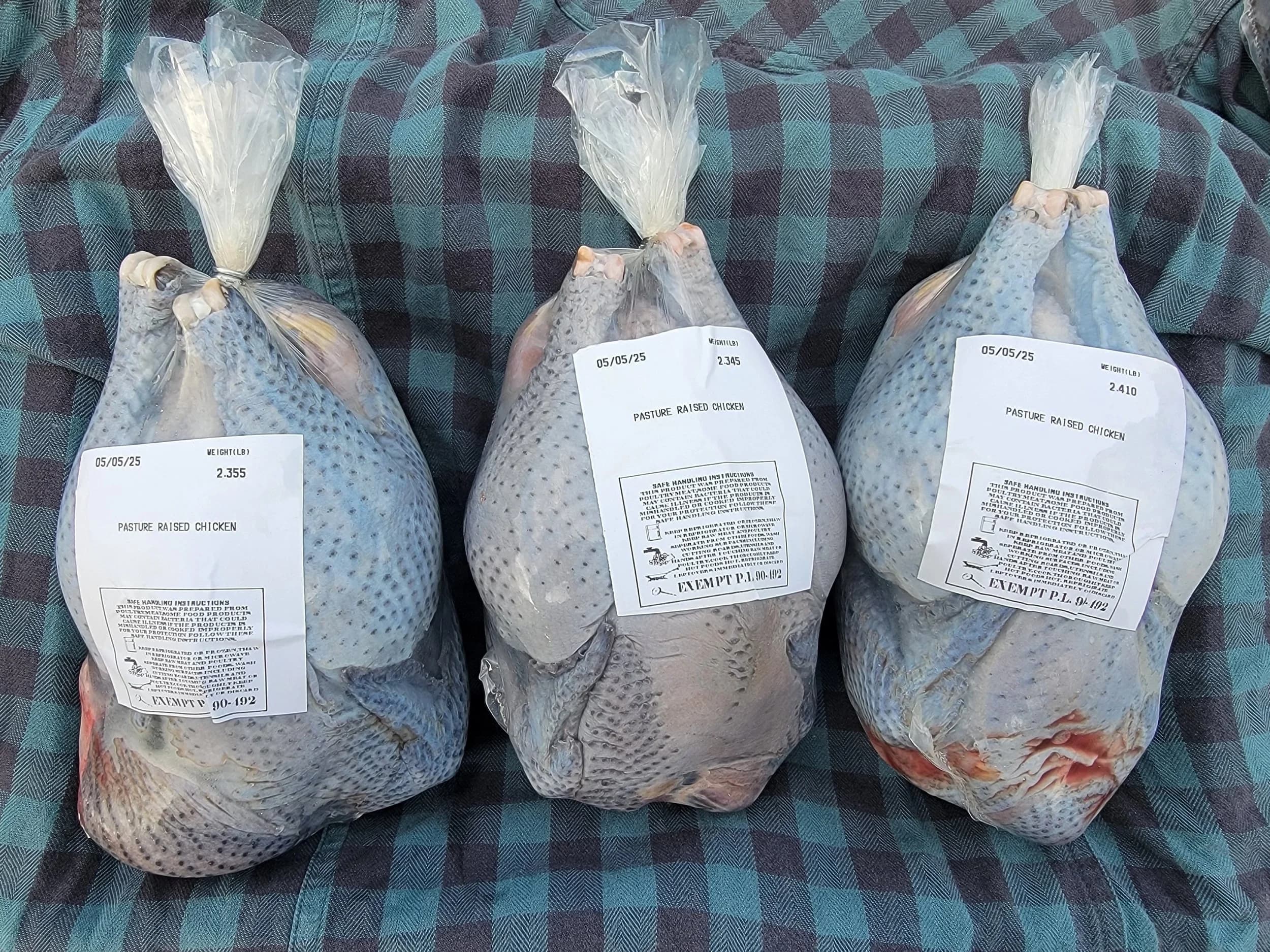
Silkie vs. Supermarket Chicken
A Nutrient Showdown
When most people think of chicken, they picture the standard cuts wrapped in plastic at the grocery store. But not all chickens are built the same. In fact, Silkie chickens—known for their black skin, bones, and unique immune system—offer a very different nutritional profile than the typical supermarket broiler.
A Quick Look at Nutrient Differences
Nutrient / Compound
Silkie Chicken
Commercial Chicken
Carnosine & Anserine
High (muscle recovery, brain health)
Moderate
Iron
High (better for energy and blood health)
Lower
Zinc
High (immune support, metabolism)
Lower
Fat Content
Low (lean meat, less saturated fat)
Higher, especially in skin-on cuts
Protein
High (supports muscle growth and repair)
High
Antioxidants (Eumelanin)
Present (pigment-related)
Negligible
Collagen (skin & bones)
Rich (great for gut, joints)
Available but less emphasized
What Do These Nutrients Do for You?
-
Carnosine & Anserine: These are natural compounds found in meat that help your muscles recover faster and may protect brain function. Athletes and older adults benefit the most from them.
-
Iron: Crucial for making red blood cells. A lack of iron can lead to fatigue and poor focus.
-
Zinc: Helps your immune system function and supports hormone health.
-
Collagen: Supports gut health, skin elasticity, and joint strength. Found in the connective tissues and skin of the bird.
Not Just a Different Bird—A Different Experience
Silkie chickens not only offer lean, nutritious meat, but also provide benefits that align with modern health priorities: high protein, low fat, and functional nutrients for inflammation, brain health, and immunity.
And while the typical grocery-store chicken is bred for fast growth and high yield, Silkies grow more slowly, which may contribute to their richer flavor and denser nutritional profile.
In the next post, we’ll explore the science behind Silkies’ immune systems and how their unusual pigmentation plays a role in human nutrition too.