Carbon's Role in Soil Health
Carbon: The Backbone of Soil Life
When people hear the word carbon, they usually think of climate change, smoke, or something abstract and distant.
In the garden, carbon is none of those things.
Carbon is structure. Carbon is food. Carbon is the framework that holds life together.
If CHNOPS is the alphabet of life, carbon is the sentence structure — without it, nothing meaningful can be built.
Carbon Is More Than "Organic Matter"
“Organic matter” is one of the most overused and least explained phrases in gardening.
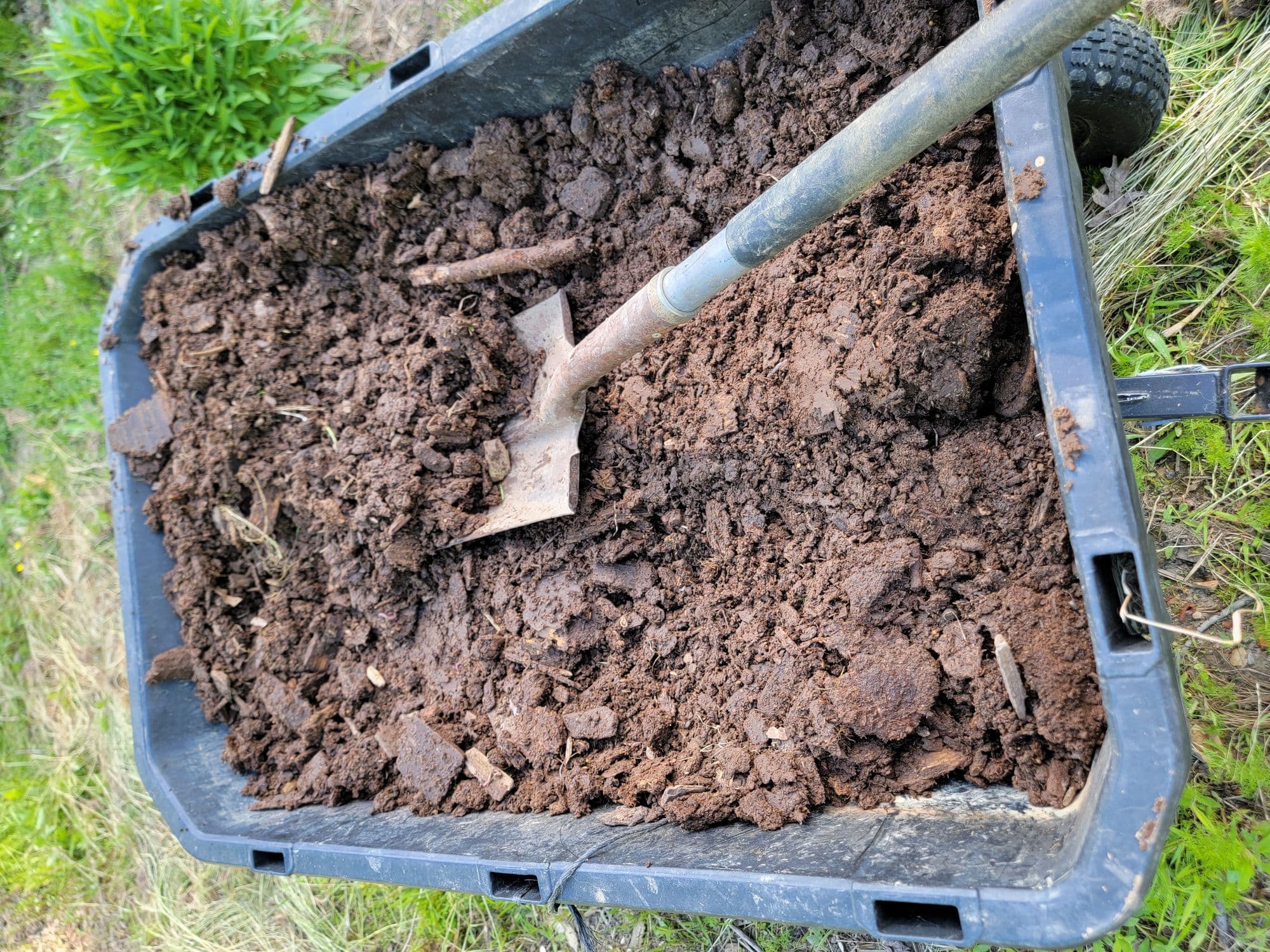
When we say organic matter, what we really mean is carbon-based material in various stages of decay:
Dead leaves
Wood chips
Roots
Compost
Manure
Microbial bodies
Carbon is the backbone of every sugar, fiber, protein, and fat in your soil. Microbes don’t eat nitrogen — they eat carbon, and they use nitrogen to process it.
Think of carbon as the fuel, not the fertilizer.
Without carbon:
Soil collapses into dust or concrete
Water runs off instead of soaking in
Nutrients wash away or lock up
Roots struggle to breathe
Healthy soil isn’t “rich” because it’s dark — it’s dark because it’s carbon-loaded.
Compost, Mulch, and Soil Structure
When you add compost or mulch, you’re not just adding nutrients. You’re adding architecture.
Carbon helps soil particles bind into aggregates — tiny clumps that create:
Air pockets for roots and microbes
Pathways for water infiltration
Stability against erosion
This is why:
Mulched beds stay moist longer
Compost-amended soil is easier to work
Roots grow deeper and wider
Fresh mulch feeds fungi first. Compost feeds bacteria first. Both matter.
Fungi stretch carbon into long chains that glue soil together. Bacteria chew carbon into smaller, faster-acting forms. Together, they create a living sponge beneath your feet.
Carbon vs. Nitrogen: The C:N Balance
Here’s where many gardeners get into trouble.
Microbes need carbon and nitrogen at the same time. When carbon is high and nitrogen is low, microbes borrow nitrogen from the soil to do their work — temporarily making it unavailable to plants. This is called nitrogen immobilization, and it’s not a mistake. It’s a process.
A simple way to think about it:
High-carbon materials (straw, wood chips, leaves) = slow, structural, long-term soil building
Low-carbon / high-nitrogen materials (manure, fresh grass, kitchen scraps) = fast, green, short-term activity
The magic happens when they’re balanced.
That balance is called the carbon-to-nitrogen ratio (C:N). You don’t need to calculate it — you just need to recognize it.
If plants look pale after heavy mulching, the soil isn’t broken. It’s busy.
Carbon always comes first. Nitrogen follows.
Why Carbon Comes Before Fertilizer
Plants don’t grow in dirt — they grow in soil food webs powered by carbon.
You can add nitrogen, phosphorus, and potassium all day long, but without carbon:
Microbes can’t cycle nutrients
Roots can’t access what’s there
Soil can’t hold what you add
Carbon is the bank. Nutrients are the currency.
Build the bank first.
Takeaway for the Garden
If you remember only one thing from this post, let it be this:
You are not feeding plants. You are feeding the system that feeds plants. And that system runs on carbon.
Happy Gardening!
Part of the CHNOPS: The Chemistry of Life in Your Garden Series
A 5-part series