How to Buy or Raise Silkies
for Nutrient Density
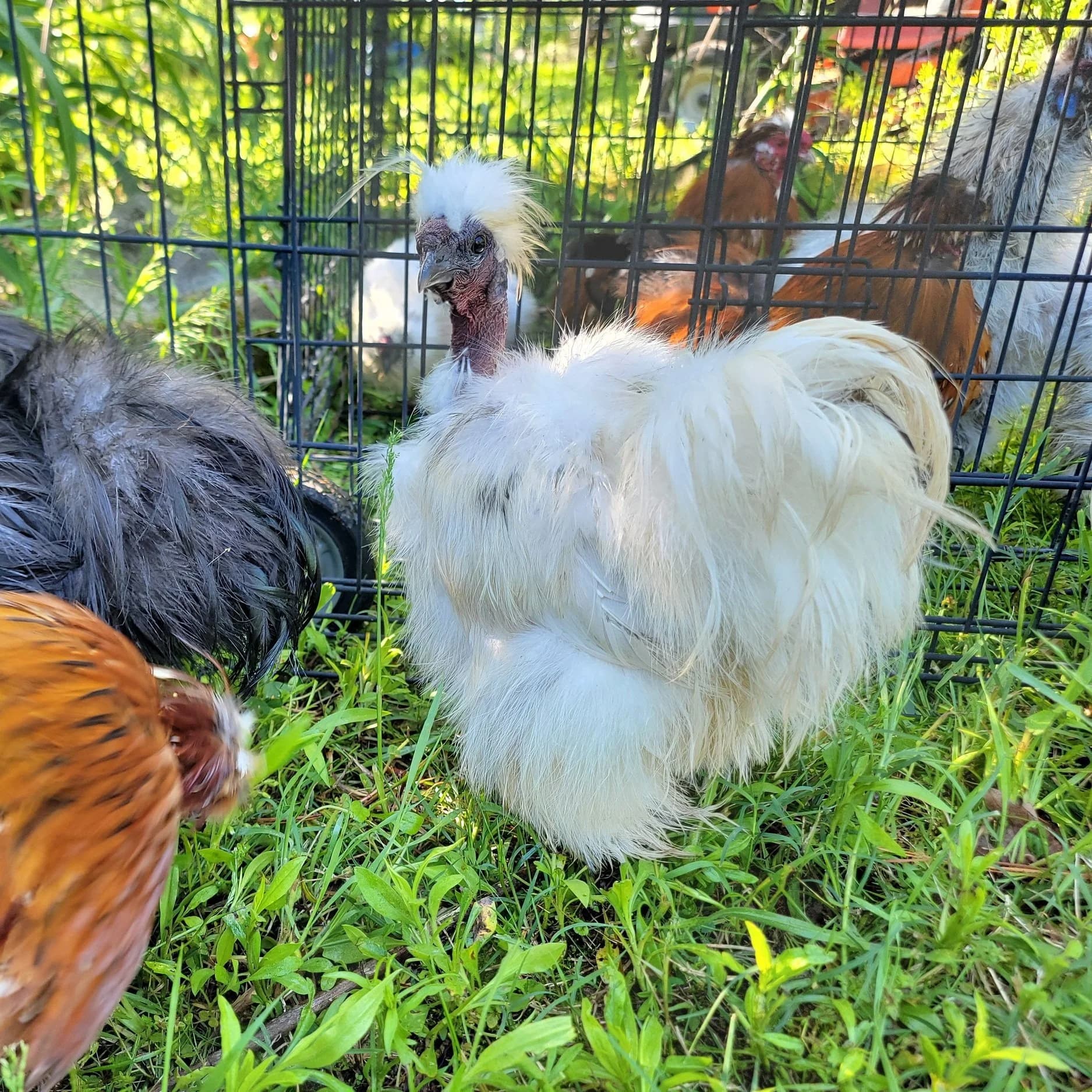
If you've made it this far in the series, you're probably wondering how to get your hands on Silkie chicken—or maybe even raise your own. Whether you're a curious cook, a backyard homesteader, or a small-scale farmer, this post will help you bring Silkies to your table with their full nutritional potential intact.
Sourcing Silkie Meat
-
Local Farms and Markets: Ask around at farmers’ markets or local heritage poultry farms. Some may raise Silkies seasonally for cultural or specialty meat sales.
-
Asian Grocery Stores: Frozen whole Silkies are often stocked in the freezer section, especially in stores with a strong Chinese or Korean customer base.
-
Direct from Breeders: Many Silkie breeders will cull extra roosters or non-breeding hens. Ask if they process for meat.
What to Look For
-
Pasture-Raised: Birds raised on pasture tend to have better muscle tone, more varied diets, and higher omega-3 content.
-
Supplemented Diet: Ask what the birds are fed. A high-quality grain mix plus access to forage makes a big difference.
-
Processed Whole: Buying the whole bird—including bones and organs—lets you make the most of its healing properties.
Raising Silkies for Food
-
Brooder to Pasture: Start chicks in a warm brooder, then transition to protected pasture or tractor systems.
-
Feed for Function: Offer a high-protein starter (20–22%) for the first few weeks, then maintain with a balanced grower and foraged greens.
-
Protection is Key: Silkies don’t fly well and are more vulnerable to predators. Use secure coops and consider tractor rotation.
Preparing Silkies for Maximum Benefit
-
Slow Cooking is Best: Low-and-slow methods (like crockpots or stockpots) preserve their dense nutrients.
-
Use Everything: Don’t toss the bones or feet—they’re full of collagen and minerals.
-
Pair with Herbs: Traditional herbs like ginger, goji berry, astragalus, and garlic complement the bird’s nourishing qualities.
Raising or sourcing Silkies takes a bit more intention than picking up a plastic-wrapped bird at the store—but the reward is a truly functional food rooted in tradition, health, and flavor.