Harvesting Growth
Selecting the Right Plant Material for Your FPJ
In Korean Natural Farming (KNF), timing is everything—and that includes when and what parts of a plant you harvest to make FPJ (Fermented Plant Juice). Think of FPJ as a mirror: it reflects the life force, hormones, and energy of the plants you collect. The closer your FPJ matches the plant’s current needs, the more effective it becomes.
Why FPJ Works So Well
FPJ is made by fermenting plant material with brown sugar to extract bioavailable nutrients, growth hormones, and enzymes. It becomes a living input—feeding soil microbes and communicating directly with plants. When we harvest the right plant parts at the right time, we create a powerful, stage-specific tool that speaks the same "language" as our crops.
When and What to Harvest for FPJ
Early morning is the golden window. Dew is still present, and the plant’s metabolic signals are high. Always pick from wild, untreated, or healthy homegrown plants—and match your FPJ material to the stage your crops are in.
Vegetative Growth (Young Plants)
-
What to harvest: New leaf tips, growing vines, grass shoots, mugwort, sweet potato leaves
-
Why: These parts are full of cytokinins and enzymes that signal growth
-
When to use: During early leaf and root development, or after transplanting
Pro tip: Fast-growing weeds often make the best FPJs—nature’s own accelerators.
Mid Growth (Leaf & Stem Development)
-
What to harvest: Vines (squash, pumpkin), mature leaves, balanced green tissue
-
Why: This provides a more nutrient-stable mix for routine feeding
-
When to use: As a weekly foliar or soil spray to build plant stamina and resistance
Flower Initiation
-
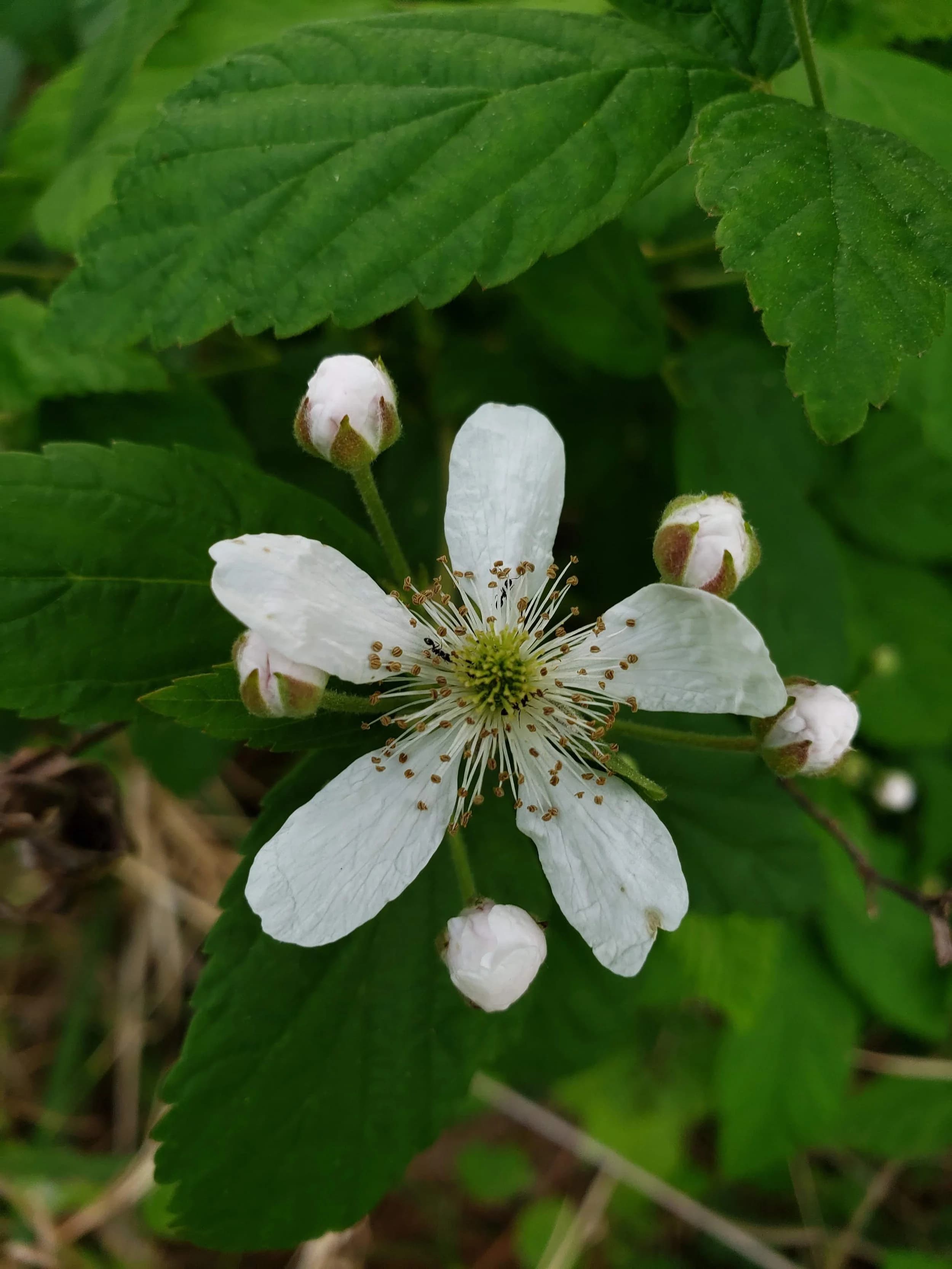
What to harvest: Flower buds, flowering herbs like basil, marjoram, oregano
-
Why: These signal gibberellin and flowering hormone production
-
When to use: A few days before flowering begins or at early bloom
Fruiting Stage
-
What to harvest: Immature fruits, fruit-bearing vines, young flowers
-
Why: Enhances fruit setting and sugar development
-
When to use: When plants shift energy toward reproduction—great for tomatoes, squash, peppers
Recovery or Stress
-
What to harvest: Deep-rooted medicinal plants or strong herbs (mugwort, dandelion, comfrey)
-
Why: These carry stress-response compounds and minerals
-
When to use: After weather stress, pest pressure, or heavy pruning
How to Use FPJ
-
Dilution Rate: 1:500 to 1:1000 (about 1–2 tsp per quart / 2–4 mL per liter)
-
Application: Foliar spray or soil drench
-
Frequency: Weekly or biweekly for maintenance, more often during transitions or stress
Crop Phase
FPJ Material
Use Purpose
Early Growth
Leaf tips, vines
Rooting, shoot growth
Leaf Stage
Vines, squash leaves
Resilience, energy balance
Flowering
Buds, basil flowers
Flower signal and hormone boost
Fruiting
Young fruits, tips
Sweetness, fruit fill, stamina
Recovery
Mugwort, comfrey
Stress relief and regrowth
A Few Tips
-
Harvest only what’s thriving—avoid diseased or insect-damaged parts.
-
Don’t overdo it: FPJ is powerful. Start light and observe.
-
Label your FPJs by plant type and harvest date for future reference.
-
Add LAB (Lactic Acid Bacteria) to boost absorption and microbe diversity.
Closing Thoughts
FPJ is more than a tonic—it’s a way to listen to your plants and respond in kind. When made with intention, FPJ becomes a dynamic input tailored to your farm or garden’s rhythm. With practice, you’ll know what your plants are asking for—and have just the brew to match it.
Want to make your own herbal tonic too? Try the OHN (Oriental Herbal Nutrient) recipe card:
storeysinthedirt.com/recipe-cards/p/ohn-oriental-herbal-nutrient-recipe-card